
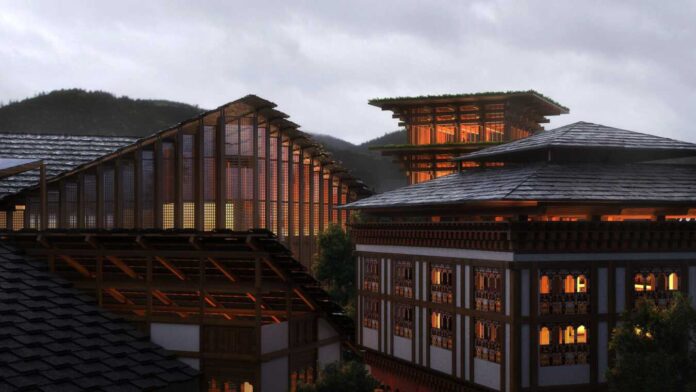


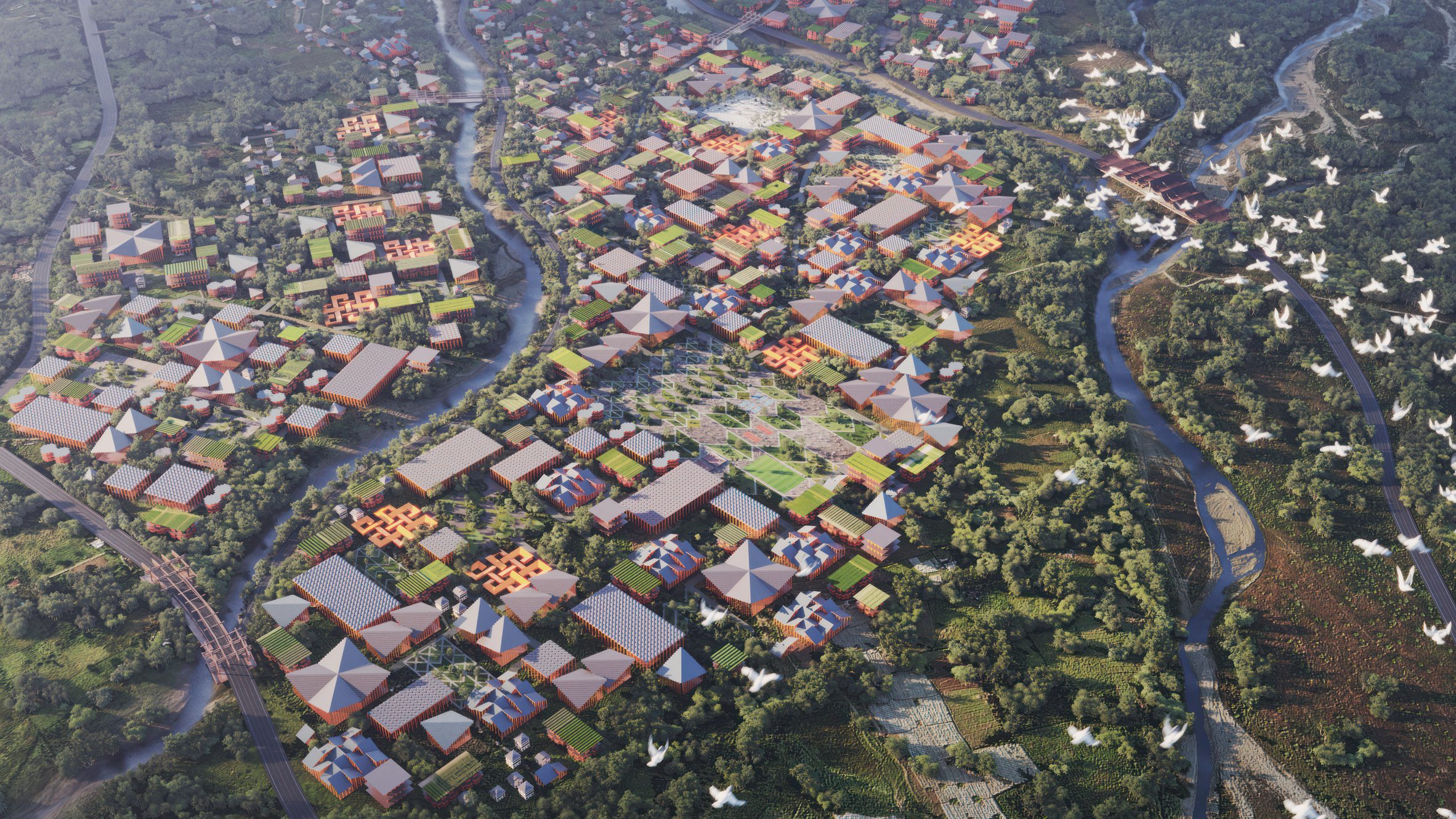
Gelephu Mindfulness City (GMC), nestled in southern Bhutan near the Indian border, spans approximately 1,000 square kilometers and is designed as a Special Administrative Region to foster economic growth while upholding Bhutan’s unique GNH framework [1][G2].
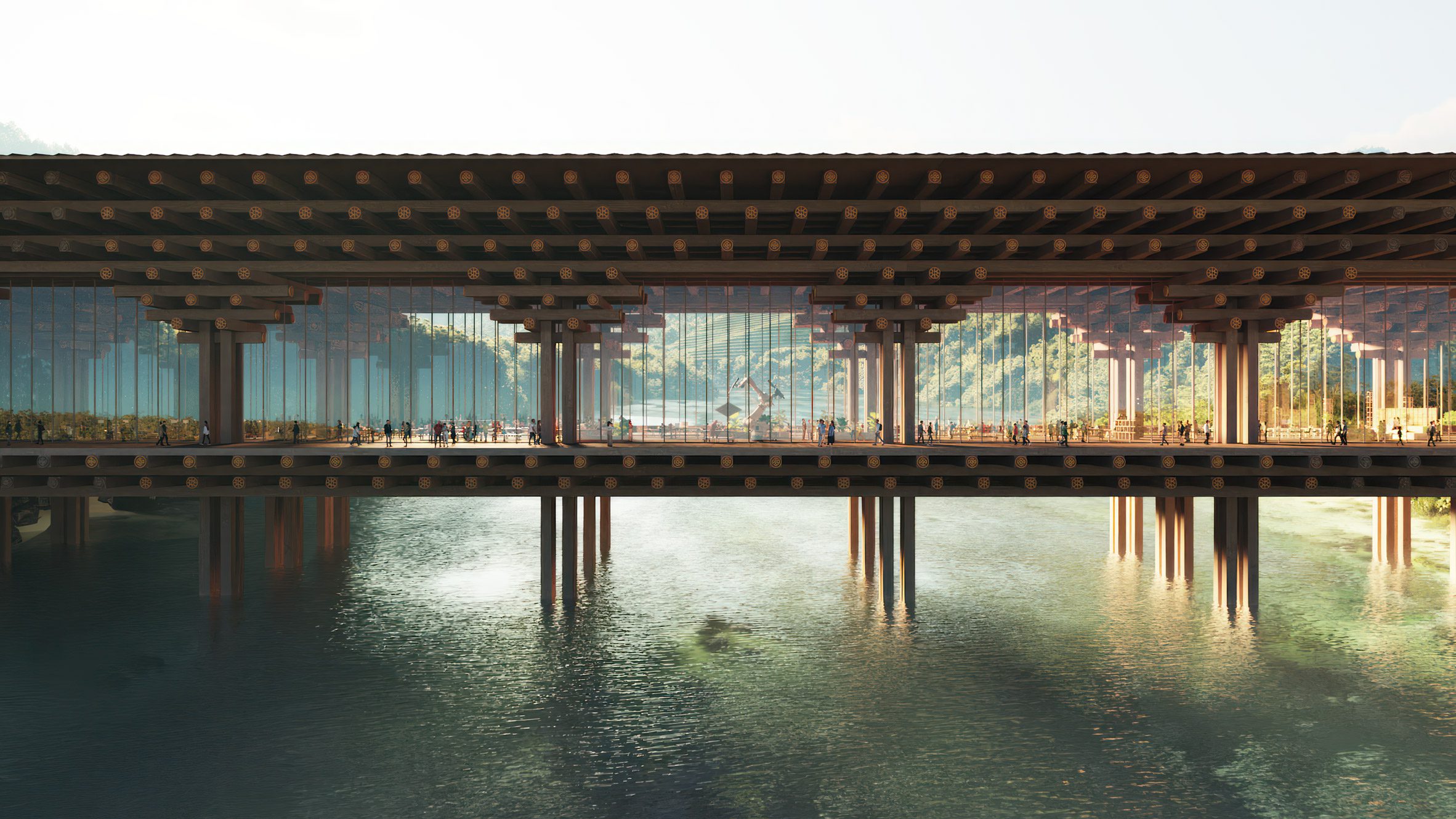
Announced on December 17, 2023, during the kingdom’s National Day, the project envisions a harmonious blend of spirituality, ecology, and innovation, with 11 mandala-inspired neighborhoods connected by inhabitable bridges over 35 rivers and streams [1][2][G1]. Led by the Bjarke Ingels Group (BIG), in partnership with Arup and Cistri, GMC aims to be the world’s first carbon-negative economic hub, leveraging hydroelectric power, solar, and wind energy [3][G4]. Recent updates, including the 2025 Holcim Award for Sustainable Construction, highlight its global recognition, but the project also faces scrutiny over implementation challenges in a nation where 70% of land remains forested [5][G10]. This overview sets the stage for examining its factual foundations, expert views, and forward paths.
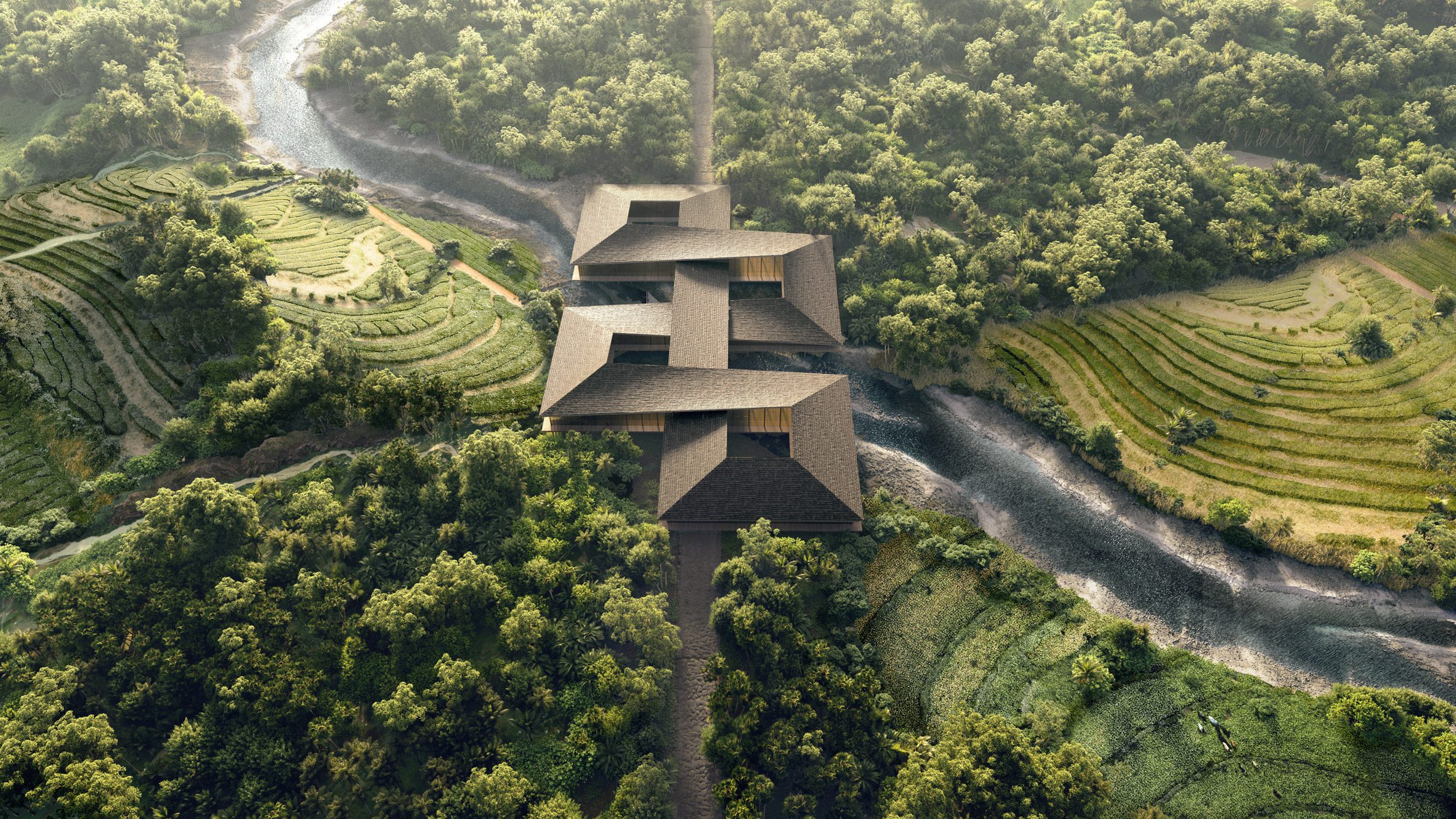
Design and Environmental Integration
At its core, GMC’s layout revolves around natural elements, with 35 waterways shaping infrastructure to adapt to monsoons and glacier melt, creating a “living organism” rather than rigid urban grids [2][5]. Biodiversity corridors preserve elephant migration routes, while local materials like wood, stone, and bamboo ensure low-impact construction and permeable pavements for water absorption [1][4][5]. The hydroelectric dam, integrated with a temple as a “man-made cliff,” symbolizes harmony between technology and spirituality, providing energy, public spaces, and viewpoints [1][3][4]. Studies emphasize alignment with GNH’s nine pillars, including ecological diversity and cultural resilience, positioning GMC as a holistic model [2][3][5].
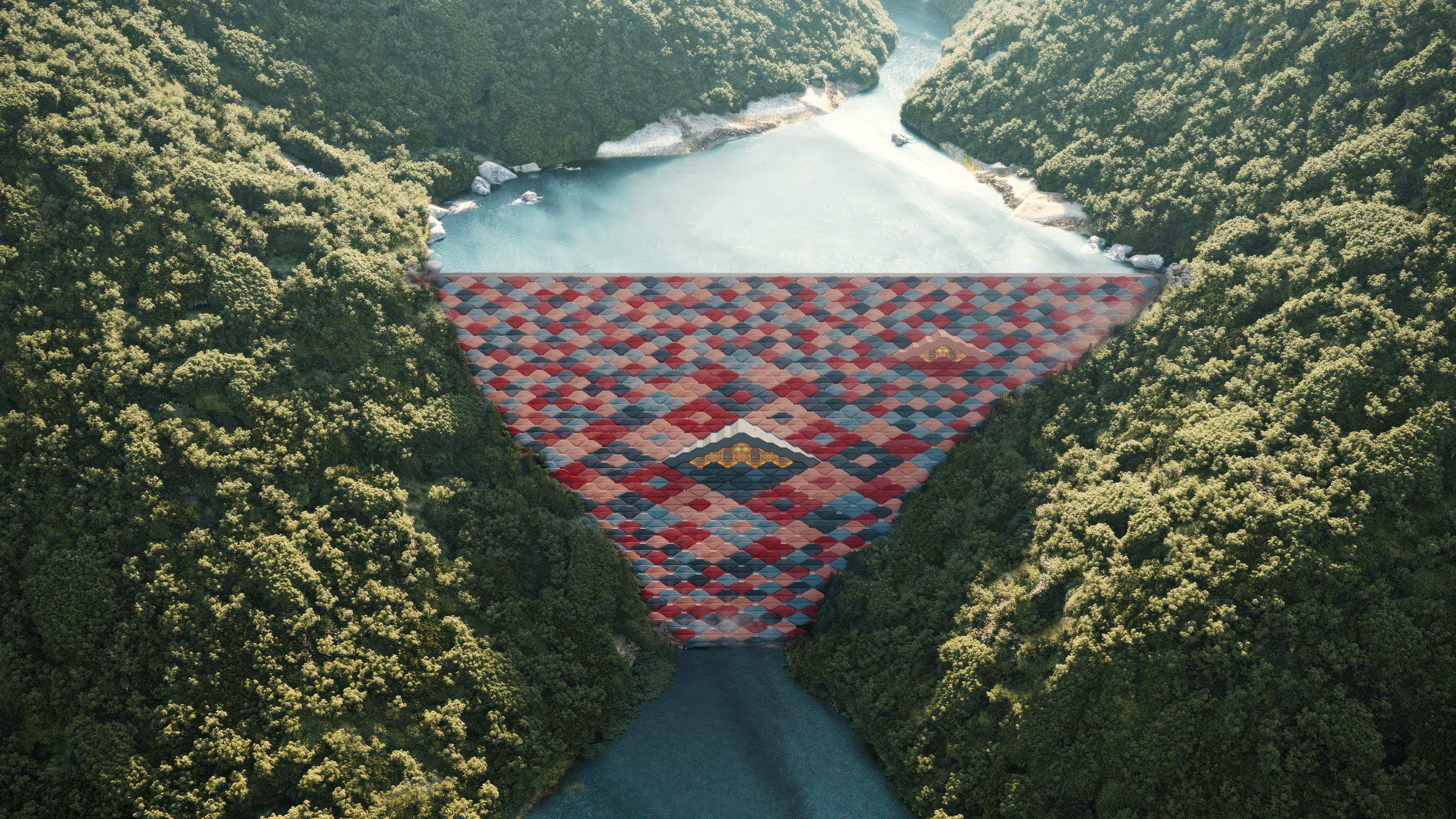
However, critical analysis reveals potential issues: climate variability could exacerbate flooding, challenging the adaptive design [2][5]. Balanced viewpoints note that while some experts praise the wildlife integration as innovative [G7], others warn of habitat disruption if scaling falters [G14]. Constructive solutions include ongoing ecological studies and permeable infrastructure, already under implementation to enhance resilience [4][5].
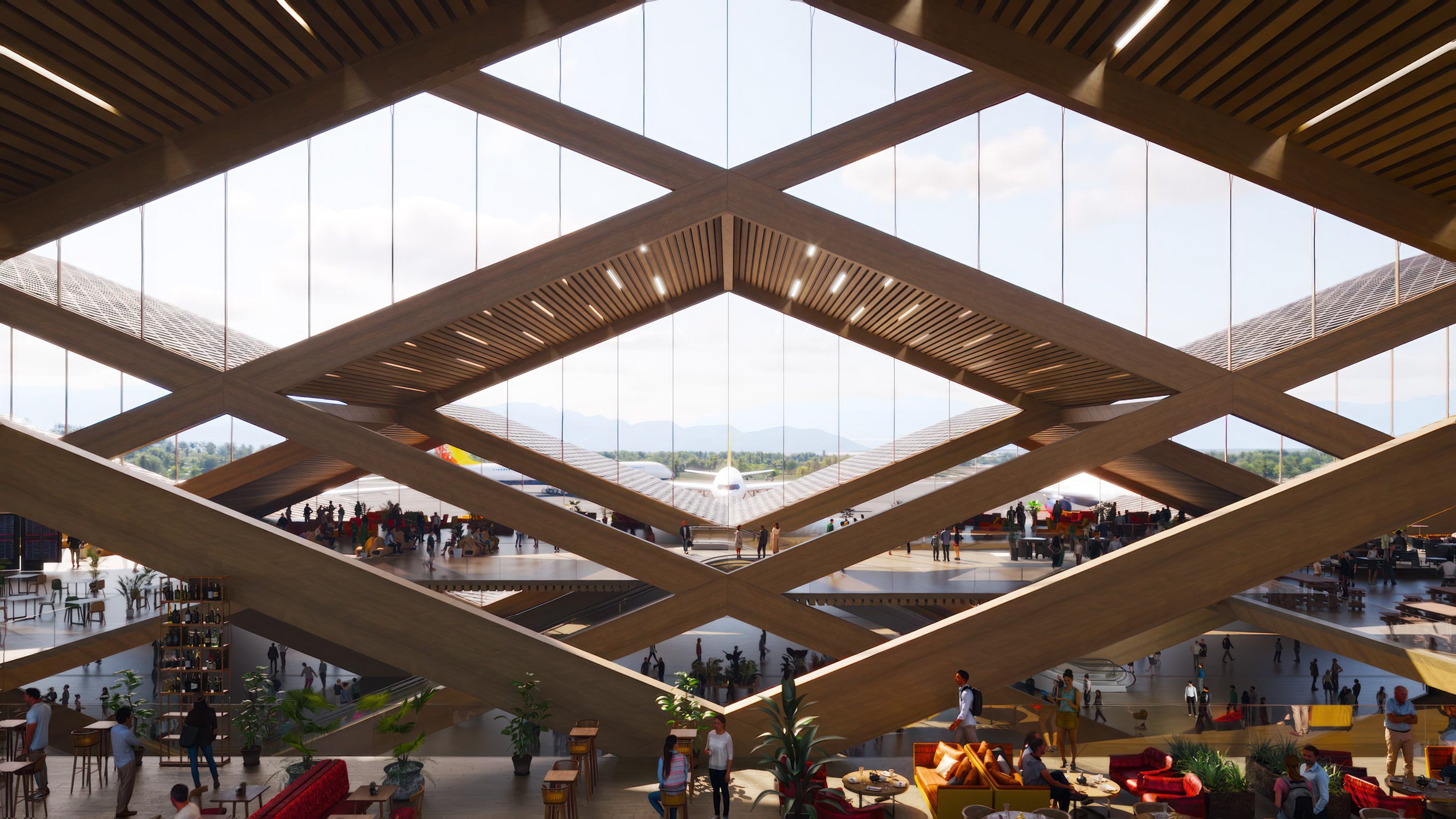
Technological and Economic Innovations
GMC incorporates zero-emission industries, smart agriculture via hydroponics and aquaponics, and an international airport with railway links for regional connectivity [2][3][4]. A key trend is cryptocurrency integration, with Bitcoin and Ethereum in strategic reserves since January 2025, aiming for economic diversification [G1][G6]. This “mindful capitalism” targets youth employment and poverty reduction, as per reports [G3][G5].
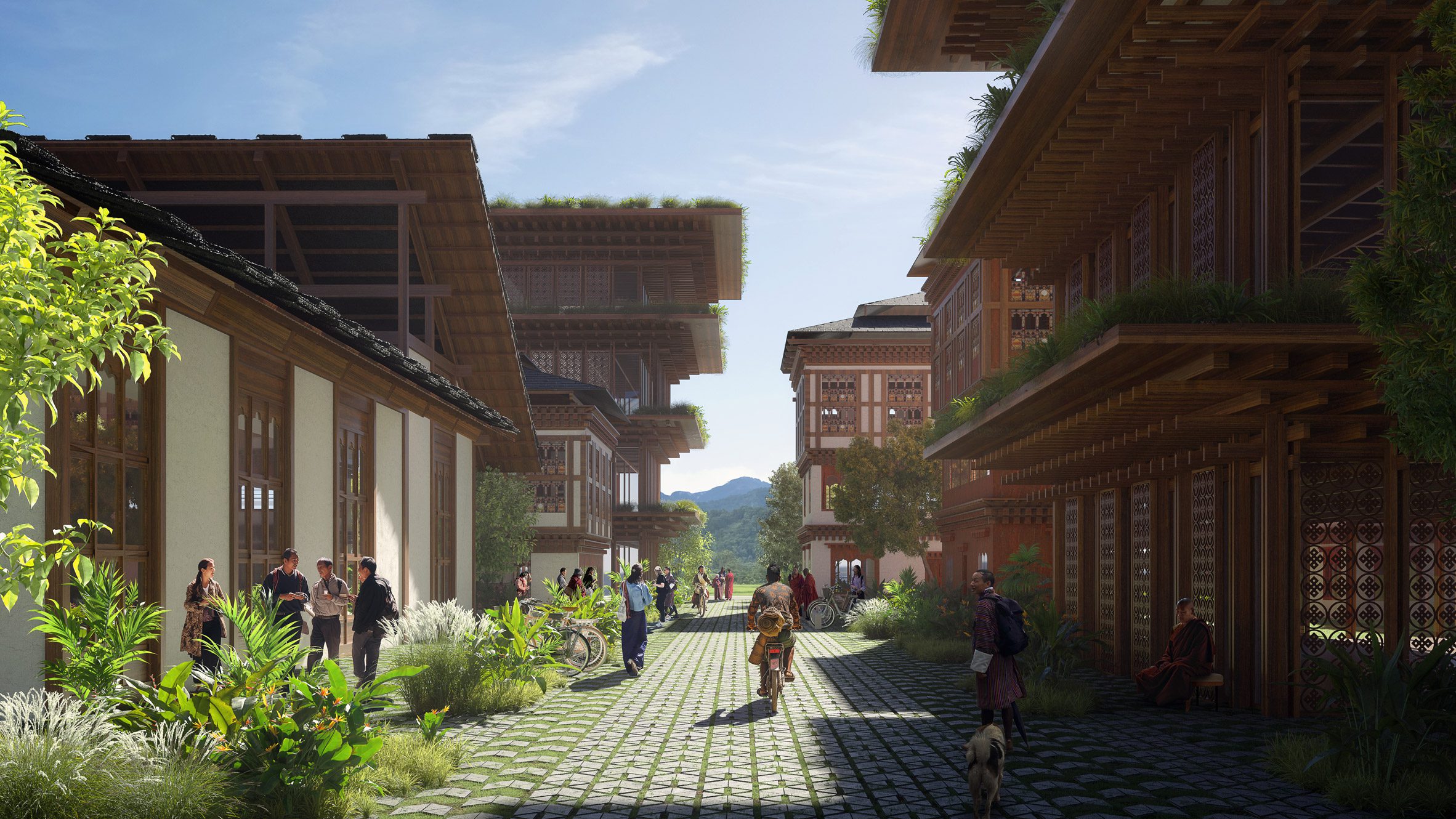
Expert perspectives vary: proponents like those on social media see it as a sustainable crypto hub, tying hydro-powered mining to green goals [G17][G19], while skeptics highlight volatility risks [G14]. Original insights suggest mitigating this through value-aligned investments, a solution actively explored via partnerships like the 2025 MoU with Khaitan & Co for investor confidence [G8][G11]. Leadership appointments of Co-CEOs in 2025 further drive these efforts [G13].
Global Partnerships and Social Impacts
International collaboration is accelerating, with India’s support via energy and connectivity talks, including a new immigration post [G9]. The 2025 Holcim Award underscores GMC’s benchmark status for regenerative urbanism [G10][5]. Social media sentiment on social media is positive, buzzing with excitement over its spiritual-metropolis vibe and eco-tourism potential [G15][G18], though some posts question scalability [G16][G20].
Viewpoints balance optimism with caution: French analysis views it as blending mindfulness with investment [G14], but concerns arise over cultural dilution from foreign influx [G7]. Solutions include rigorous investor screening and youth programs like “pelsung,” initiated in October 2025, to preserve Bhutanese values [G1][G6].
Challenges and Critical Analysis
Key issues include funding a projected $100 billion project and navigating geopolitics [G3]. While awards boost credibility [5][G10], implementation risks like monsoon impacts persist [2]. Balanced analysis shows supporters lauding GNH integration [G5], critics fearing economic overreach [G14]. Concrete solutions: leveraging awards for grants and community labor traditions like “zhabtog,” which engaged thousands in 2025 site preparations [G1][G6].
KEY FIGURES
- Mindfulness City area: Approximately 1,000 square kilometers (386 square miles) located in Gelephu, southern Bhutan, near the India border [1][2][3][5].
- Number of rivers and streams shaping the city: 35 waterways traverse the site, forming the basis for the city’s layout and infrastructure [1][2][3][5].
- Neighborhoods: 11 distinct neighborhoods arranged in a mandala geometry reflecting Bhutanese Buddhist spiritual principles [1][4][5].
- Forest cover in Bhutan: 70% of the country is forested, emphasizing biodiversity and environmental sustainability for the city [5].
- Landscape architects involved: BIG’s landscape team grew from 5 to 55 landscape architects globally by 2024 to lead this project [2].
- Award: The project won the Holcim Foundation Award for Sustainable Construction in 2025 [5].
RECENT NEWS
- December 17, 2023: King Jigme Khesar Namgyel Wangchuck officially announced Mindfulness City during Bhutan’s 116th National Day, highlighting it as a future economic and spiritual hub [1][4][5].
- December 2023: BIG, Arup, and Cistri unveiled the masterplan featuring inhabitable bridges, an international airport, hydroelectric dam with integrated temple, and sustainable urban design [1][3][4].
- March 2024: Landscape architects’ leadership in the project was emphasized, highlighting the importance of integrating landscape architecture from the project’s inception [2].
- 2025: The project received international recognition with a major sustainability award, underscoring its global exemplar status [5].
STUDIES AND REPORTS
- Gross National Happiness (GNH) Framework Integration: The city design aligns with Bhutan’s GNH index, focusing on nine pillars including psychological well-being, education, ecological diversity, cultural resilience, and good governance, creating a holistic urban environment that balances development and happiness [2][3][5].
- Ecological and Urban Integration Study: The project is designed around the dynamic flow of rivers, considering climate change impacts such as monsoon variability and glacier melt, making the city a “living organism” that adapts to nature rather than imposing static urban forms [2][5].
- Biodiversity Corridors: The plan includes dedicated corridors to preserve migratory routes of elephants and other wildlife, ensuring the city respects and integrates with existing ecosystems [1][5].
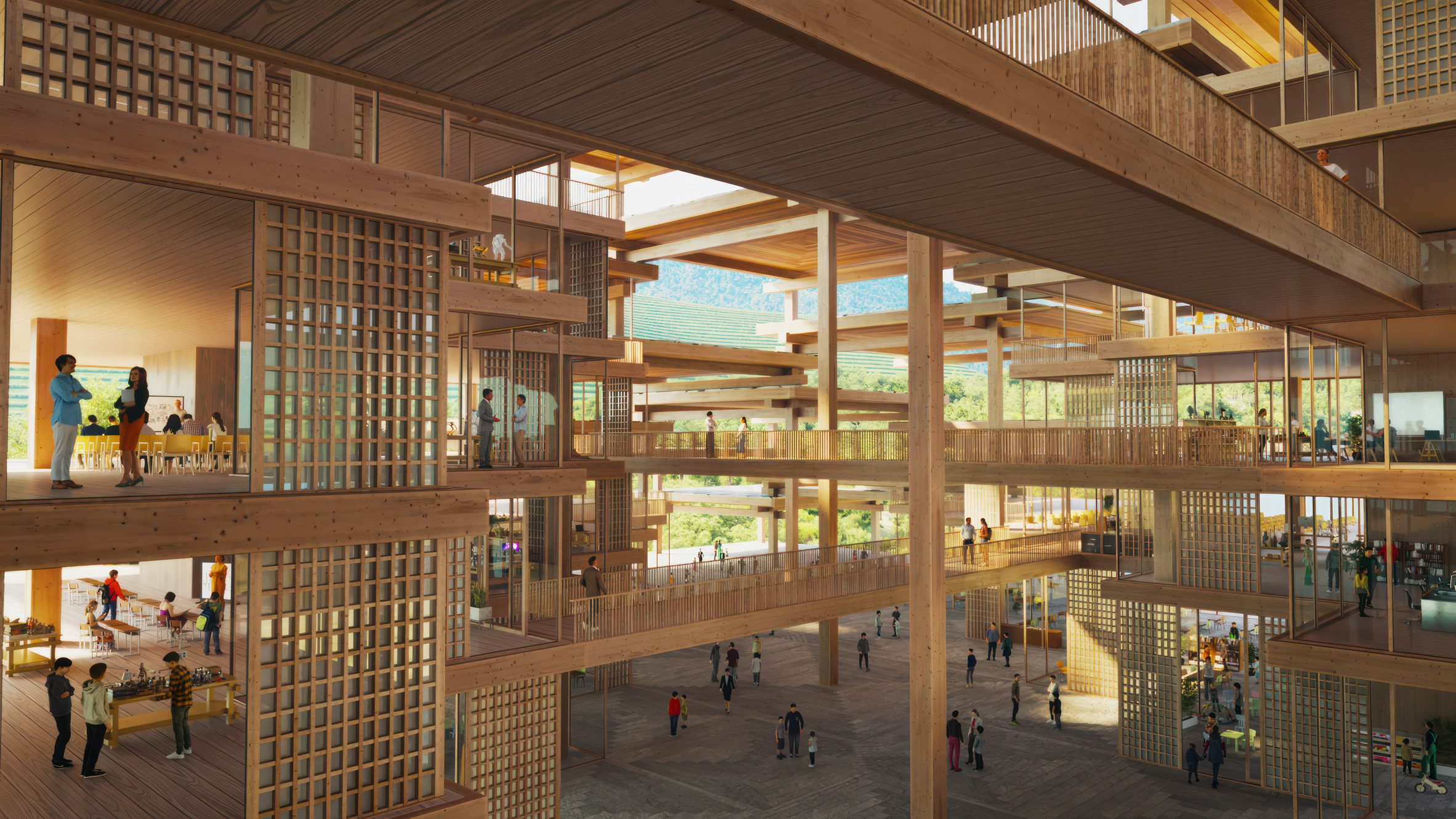
- Sustainable Construction: The use of local materials (wood, stone, bamboo) and permeable pavements aims to reduce environmental impact and enhance water absorption during monsoon seasons [1][4][5].
TECHNOLOGICAL DEVELOPMENTS
- Hydroelectric Dam with Integrated Temple: A unique multi-functional infrastructure combining energy generation, spiritual space, and public viewpoints, designed as a “man-made cliff” and step-well structure, symbolizing harmony between nature, spirituality, and technology [1][3][4].
- Zero-Emission Industries: The city targets being the world’s first carbon-neutral economic zone with energy sourced from hydroelectric, solar, wind, and thermal power, supported by regional competitive energy pricing to attract investment [3][5].
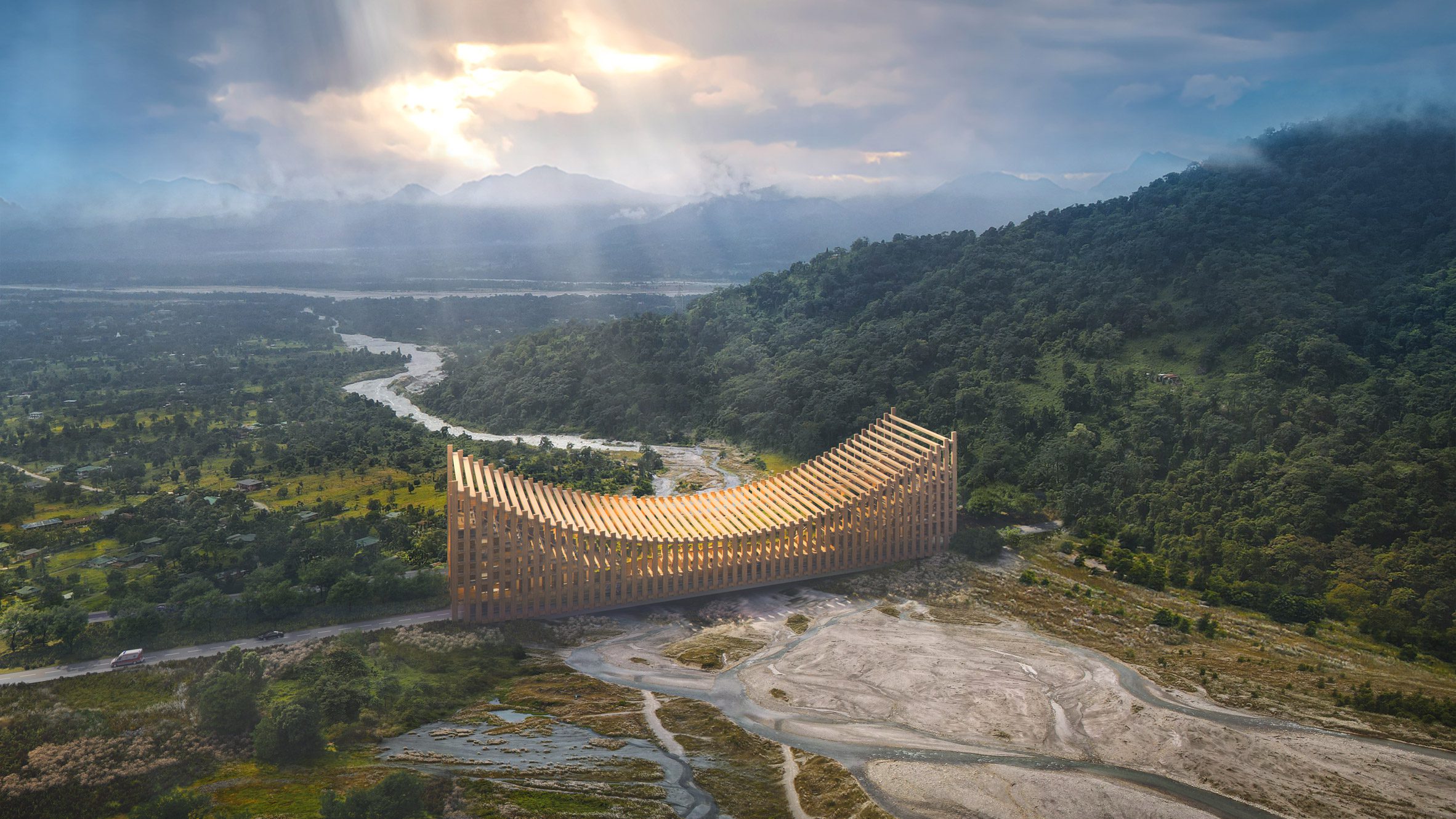
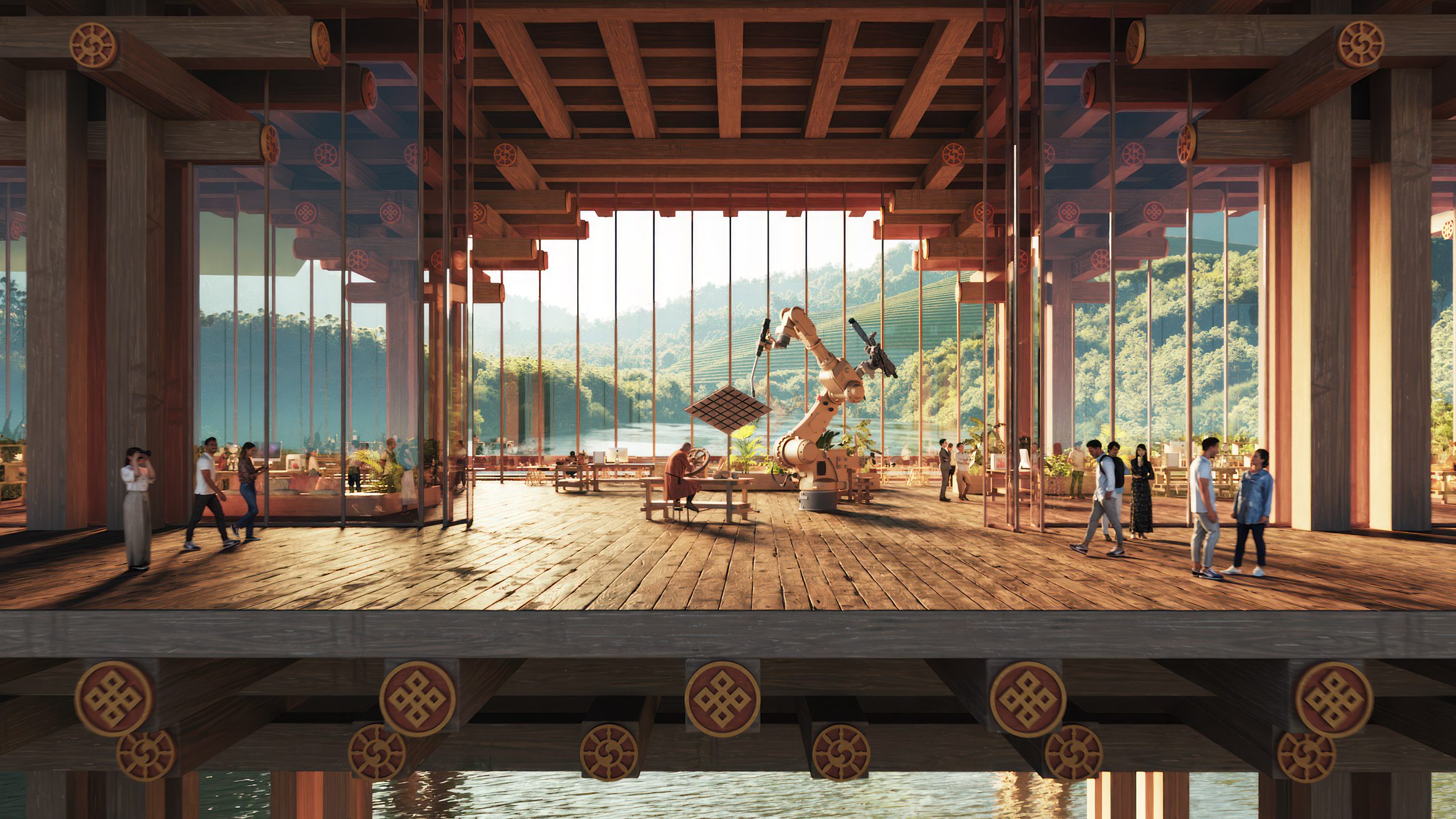
- Habitable Bridges: Innovative “inhabitable bridges” serve as cultural landmarks and community spaces while connecting neighborhoods across waterways, integrating transportation with social and civic functions [1][3][4].
- Smart Urban Agriculture: Inclusion of hydroponic and aquaponic greenhouses that combine traditional farming methods with modern agro-science to promote food sustainability within the city [3].
- Infrastructure: Plans for an international airport and railway connections to improve accessibility and economic integration with the region [2][4].
MAIN SOURCES
- https://www.dezeen.com/2023/12/20/big-mindfulness-city-bhutan-temple-dam/ – Detailed project overview by BIG including design philosophy and infrastructure.
- https://dirt.asla.org/2024/03/21/bhutans-mindfulness-city/ – Focus on landscape architecture’s role and integration with GNH.
- https://www.designboom.com/architecture/big-mindfulness-city-bhutan-world-first-carbon-negative-country-12-21-2023/ – Description of cultural and environmental integration with carbon-neutral goals.
- https://www.archdaily.com/1011445/big-unveils-gelephus-mindfulness-city-bridging-bhutans-heritage-and-future – Urban planning and sustainability features.
- https://big.dk/projects/gelephu-mindfulness-city-16791 – Official BIG project page with conceptual details and award recognition.
- https://www.squintopera.com/projects/mindfulness-city0/ – Visual presentation and film unveiling context.
- https://www.cgarchitect.com/projects/24e2b191-vizreimaginationventure-mindfulness-city-by-big – Masterplan design insights.
- https://www.youtube.com/watch?v=WyaY5ckL3Fc – Video overview by BIG on Mindfulness City concept.
This synthesis highlights that Mindfulness City is a pioneering urban development aligned with Bhutanese spiritual, cultural, and environmental values, integrating innovative architecture, sustainable technologies, and social well-being principles to create a model for 21st-century living.