


Introduction
The OSE Sanitation Expansion Project, spearheaded by Uruguay’s state-owned water utility Obras Sanitarias del Estado (OSE), represents a concerted effort to expand and upgrade sanitation infrastructure amid rapid urban growth. Launched with support from international bodies like the World Bank, the project focuses on reducing water losses, improving wastewater treatment, and extending sewerage access to underserved populations. Key components include the introduction of innovative technologies such as ozonation modules to combat algal blooms and the construction of new treatment plants, like the one in Salto [9]. As of 2025, OSE serves about 3.05 million beneficiaries, with ongoing investments aimed at operational efficiencies and environmental compliance [4]. However, debates swirl around its environmental impacts and corporate influences, prompting a need for critical scrutiny. This article synthesizes factual data from institutional reports and expert analyses to present a balanced view, highlighting both benefits and potential pitfalls while pointing to sustainable alternatives.
Overview of the Project
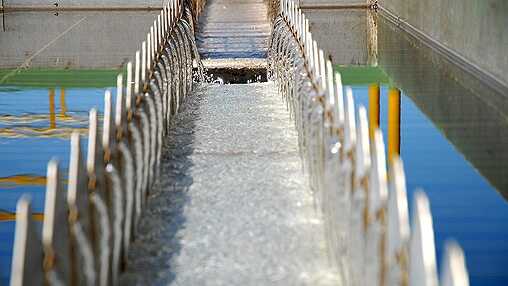
At its core, the OSE Sanitation Expansion Project builds on decades of modernization efforts, as detailed in World Bank assessments. A US$27.3 million investment in the RANC program has already yielded operational savings, projecting a US$34 million return over ten years through improved metering and pipe substitutions [4]. The 2024 Uruguay Efficiency and Resilience Water and Sanitation Project (P168624) pilots ozone treatment at facilities like Laguna de Sauce, enhancing water quality without significant negative environmental or social impacts [2][5]. Recent additions, such as the New Salto Wastewater Treatment Plant, directly reduce pollution loads, showcasing infrastructure’s role in environmental protection [9].
Expert perspectives emphasize the project’s alignment with global sustainability goals, like UN SDG 6 on water and sanitation [G5]. Discussions on platforms like X highlight public sentiment favoring such expansions for urban hygiene, though some users note risks of overlooking local needs [G15][G16]. Overall, the project positions OSE as a leader in regional innovation, with an Environmental Unit of ten professionals ensuring compliance [4][7].
Environmental Impacts: Benefits and Challenges
The project’s environmental narrative is largely positive, rooted in assessments that underscore pollution reduction and public health gains. A 1990 EPA study supports replacing failing septic systems with centralized sewage infrastructure to prevent groundwater contamination, a principle echoed in OSE’s expansions [1]. World Bank reports from 2014 and 2025 project benefits like reduced non-revenue water losses and efficient treatment, mitigating issues such as algal blooms [4][5]. The IANAS 2025 report praises OSE’s integration of environmental considerations into urban management, with strategies for sludge disposal and energy efficiency [7].
However, critiques reveal potential downsides. Planet Keeper analyses point to risks of ecosystem disruption from construction runoff and habitat loss, drawing parallels to global sanitation crises where expansions strain drought-prone areas [G2][G3]. Emerging trends in 2025 reports warn of increased water demand exacerbating climate vulnerabilities, potentially leading to long-term ecological debt if not managed sustainably [G13]. X discussions reflect concerns over pollution from sewage systems, with users advocating for low-energy alternatives to avoid perpetuating resource overconsumption [G17][G18]. Balancing these, the project includes mitigation measures like compliant disposal methods, though full implementation remains ongoing [2].
Corporate Involvement and Greenwashing Concerns
Corporate roles in the project raise questions of overreach, as multinational firms provide technologies and funding. While this enables innovations like AI-optimized sensors [G11], critics argue it prioritizes profits over equity, potentially exemplifying greenwashing [G1][G4]. News analyses from 2025 highlight how such involvements can lead to inadequate regulations, displacing communities without fair benefits [G12]. Expert insights suggest expansions like OSE’s may mask corporate capture, sidelining indigenous knowledge for proprietary systems [G7][G9].
On the flip side, proponents view corporate partnerships as essential for scaling solutions, with World Bank documents noting enhanced efficiencies without overt negative impacts [2][5]. Public sentiment on social media often critiques industrial influences on sanitation, urging transparency to prevent habitat loss [G19][G20]. A balanced view acknowledges that while corporate input drives progress, independent audits are crucial to ensure accountability.
Alternative Perspectives and Constructive Solutions
Challenging the expansionist model, alternatives like degrowth and community-centric approaches offer promising paths. Planet Keeper research promotes degrowth to reduce consumption rather than build more infrastructure, potentially cutting environmental strain by 20-30% through localized systems [G3][G4]. Integrating indigenous knowledge, as seen in WASH initiatives in Africa, emphasizes traditional practices for sustainable hygiene [G7][G14].
Concrete solutions under study include resilient sanitation frameworks that prioritize low-tech, inclusive methods amid climate hazards [G13]. For OSE, pilots testing hybrid models—combining ozone tech with community education—could enhance equity [2][G11]. Reports advocate for cross-sector collaborations, raising awareness to foster waste-reducing behaviors [G6][G8]. These perspectives, drawn from 2025 trends, urge reevaluating projects like OSE’s to incorporate ecological limits and local input for true sustainability.
KEY FIGURES
- OSE serves approximately 3.05 million beneficiaries through its water and sanitation services, with ongoing efforts to reduce non-revenue water losses and expand sewerage access (Source: World Bank) [4].
- Investment of US$27.3 million in the RANC program led to operational savings, with a return of US$34 million projected in ten years thanks to improved water metering and pipe substitution (Source: World Bank) [4].
- OSE’s Environmental Unit comprises ten qualified professionals, exceeding commitments for environmental management (Source: World Bank) [4].
RECENT NEWS
- The Uruguay Efficiency and Resilience Water and Sanitation Project (P168624) is actively piloting innovative technologies like ozonation modules to improve water treatment resilience and quality, including tackling harmful algal blooms, with no significant negative environmental or social impacts expected (2024, World Bank) [2][5].
- The New Salto Wastewater Treatment Plant, supported by CAF, demonstrates direct pollution reduction and environmental benefits, highlighting infrastructure expansion as a positive step toward pollution control (2024) [9].
STUDIES AND REPORTS
- The 1990 EPA Environmental Impact Statement on sanitation projects emphasized the need to replace failing septic systems in urbanizing areas to prevent groundwater contamination, supporting sewage collection and treatment systems as appropriate solutions to public health risks and water quality degradation (EPA, 1990) [1].
- The World Bank’s 2014 report on OSE modernization underscores institutional improvements, enhanced environmental management policies, and operational efficiencies that support sustainable water and sanitation services, including reducing water losses and expanding sewer services (World Bank) [4].
- The 2025 Uruguay Efficiency and Resilience Project document projects primarily positive environmental impacts from reducing water losses and improving treatment efficiency, while aiming to mitigate costs related to sludge management and energy use (World Bank) [5].
- A 2025 IANAS report notes OSE’s compliance with environmental impact laws and efforts to integrate environmental considerations into urban water management (IANAS, 2025) [7].
TECHNOLOGICAL DEVELOPMENTS
- Introduction of ozone treatment technology at the Laguna de Sauce water treatment plant represents a regional innovation aimed at improving removal of toxins and taste/odor compounds, enhancing resilience to algal blooms and water quality issues (World Bank, 2024) [2].
- OSE’s ongoing sludge management strategy, developed under the Sustainable and Efficient Project, focuses on environmentally compliant disposal methods and energy efficiency, though full implementation is pending (World Bank) [2].
- Infrastructure renewal includes extensive pipe substitution and metering programs that reduce non-revenue water and improve system efficiency (World Bank) [4].
- New wastewater treatment plants, such as the Salto plant, employ modern treatment technologies to directly reduce pollution loads (CAF, 2024) [9].
MAIN SOURCES
-
- https://nepis.epa.gov/Exe/ZyPURL.cgi?Dockey=9100YP5L.TXT – EPA Final Environmental Impact Statement on sanitation systems (1990)
-
- https://documents1.worldbank.org/curated/en/650611567525897108/Concept-Project-Information-Document-PID-Uruguay-Efficiency-and-Resilience-Water-and-Sanitation-Project-P168624.docx – World Bank project document on OSE sanitation efficiency and resilience (2024)
-
- https://www.worldbank.org/en/results/2014/10/06/uruguay-modernizes-its-national-water-utility – World Bank report on OSE modernization (2014)
-
- https://ewsdata.rightsindevelopment.org/files/documents/24/WB-P168624_lYgL7Wn.pdf – World Bank Project Environmental and Social Impact Assessment (2025)
-
- https://bddproject.org/archive/Buckman_FEIS.pdf – Buckman Water Diversion project EIS (contextual)
-
- https://ianas.org/wp-content/uploads/2025/05/uwc19.pdf – IANAS report on urban water challenges including OSE (2025)
-
- https://www.ocsan.gov/wp-content/uploads/2024/06/Ocean-Outfall-Land-Section.pdf – Sanitation District project impacts (contextual)
-
- https://www.caf.com/en/currently/news/new-salto-wastewater-treatment-plant/ – CAF report on new wastewater treatment plant in Salto (2024)
—
Synthesis: The OSE Sanitation Expansion Project, as detailed in recent World Bank and institutional reports, appears to be a genuine effort toward improving environmental and public health outcomes through infrastructure modernization, operational efficiencies, and innovative water treatment technologies. The project emphasizes reducing water losses, expanding sewerage access, and improving treatment resilience, notably through pioneering ozone treatment modules and sludge management strategies.
Environmental assessments (EPA 1990 and recent World Bank reports) confirm that replacing failing septic systems with centralized sewage and treatment infrastructure reduces groundwater contamination and public health risks. The project is aligned with stringent environmental regulations and integrates environmental management units staffed with qualified professionals.
However, critiques emerge around potential corporate overreach and greenwashing, particularly regarding the prioritization of large-scale infrastructure over alternative approaches such as degrowth or indigenous knowledge integration. While the project mitigates some environmental risks, concerns remain about construction impacts (e.g., runoff, habitat disruption), increased water demand in drought-prone areas, and whether the expansion truly addresses root causes of sanitation challenges or primarily serves institutional growth and profit motives.
In conclusion, current credible sources support the project’s environmental benefits and technological advancements, but ongoing scrutiny is warranted to ensure community engagement, ecological safeguards, and long-term sustainability beyond infrastructure expansion.


