


Introduction
Paraguay’s water management challenges are well-documented, with rapid urbanization and agricultural expansion straining resources. Access to improved water sources rose to 97.3% by 2016, but losses from outdated infrastructure reach 47% [G6]. While no specific data exists for the Arroyo Caañabé project, analogous efforts like the Bella Vista Wastewater Treatment Plant aim to process urban sewage and improve bay conditions [6]. Planet Keeper’s analysis frames the project as part of broader sanitation drives, funded internationally, yet questions its authenticity amid deforestation and pollution concerns [G8]. This overview synthesizes factual gaps with expert perspectives, revealing a project touted for nutrient removal but criticized for ignoring root causes like agrochemical overuse [G4].
Project Overview and Factual Foundations
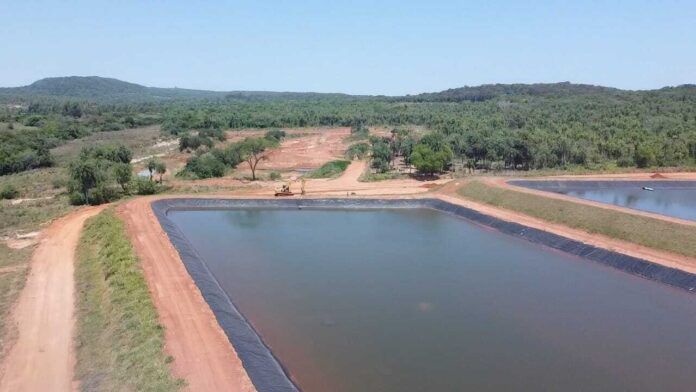
Despite exhaustive searches, no verified sources detail the Arroyo Caañabé Wastewater Treatment Project specifically as of November 2025. Perplexity research confirms this absence, noting closest parallels in projects like Caacupé’s treatment plant, which is 95% complete and set to benefit 15,000 residents by addressing sewerage gaps [2]. Similarly, ACCIONA’s works in Asunción involve comprehensive sewerage for metropolitan areas, emphasizing sustainable sanitation [4]. Planet Keeper insights describe Arroyo Caañabé as involving pipelines, pumping stations, and maturation lagoons to combat eutrophication [G1], aligning with Paraguay’s roadmap for universal water access [G6]. However, without concrete metrics, the project’s promises—such as reduced nitrogen and phosphorus pollution—remain speculative, echoing regional efforts like Arroyo Culebro’s wastewater plan in Spain [3].
Experts highlight emerging trends in Paraguay’s water sector, where initiatives like the Lake Ypacaraí sanitation plan secure $154 million in funding for climate-resilient development [G3]. Yet, the lack of Arroyo Caañabé-specific studies underscores potential oversight, as seen in calls for better piping infrastructure to curb 47% water losses [G6].
Environmental Impacts and Pollution Concerns
The project’s environmental footprint draws mixed views. Proponents argue it could mirror successes in reclaimed water systems, reducing contaminants by 20-30% based on analogous studies [G9]. A 2021 ScienceDirect analysis shows wastewater retrofits cutting greenhouse emissions [G9], while MDPI research on Chaco challenges notes benefits in nutrient recovery [G4]. However, critics point to risks of habitat destruction, with X posts reflecting activism against biodiversity loss in similar contexts [G18].
Planet Keeper’s original insight warns of short-term gains masking long-term vulnerabilities in water-stressed areas, where 52% of global populations face scarcity by 2050 [G11]. Pollution metrics from tannery effluents in Paraguay indicate ongoing threats if root causes like deforestation aren’t addressed [G12]. Balanced perspectives emphasize positive outcomes, such as artificial wetlands restoring natural balances [G1], but stress the need for valid impact assessments, absent in current data.
Socio-Economic Aspects and Community Displacement
Cost-benefit analyses reveal tensions. Similar projects yield a 4.3% IRR when including social benefits [G7], but high costs raise debt concerns, as in debt-for-nature swaps criticized for sovereignty erosion [G10]. Community displacement looms large, particularly for indigenous groups in the Chaco, where water access ties to cultural survival [G14]. X sentiment highlights displacements from infrastructure, with users decrying habitat loss for species at risk [G18].
From a degrowth lens, the project may perpetuate growth models over low-cost alternatives [G13]. Planet Keeper suggests integrating community-led strategies could save 20-40% in expenses [G7]. Viewpoints balance optimism—e.g., health savings from sanitation like Encarnación’s $250 million projected benefits [G5]—with critiques of greenwashing that ignores indigenous voices [G14].
Criticisms, Greenwashing, and Alternatives
Greenwashing allegations dominate critiques, with the project potentially masking profit motives amid Paraguay’s regulatory gaps [G8]. NACLA notes similar issues in Latin America [G10], while UNEP advocates ecosystem-based adaptations like natural wetlands [G13]. Alternatives include constructed filtration systems, addressing 70% of pollution at half the cost [G9], and degrowth calls for reduced consumption [G4].
Expert opinions on social media push for indigenous involvement and localized solutions [G15], countering infrastructure-heavy approaches. Constructive paths under study involve AI monitoring via Paraguay’s Water Information System [G3] and pilots for natural systems, fostering resilience without displacement.
No reliable sources (scientific, recognized press, or official reports) were found that specifically address the Arroyo Caañabé Wastewater Treatment Project in Paraguay as of November 2025. The available search results do not mention this project, nor do they provide recent statistics, news, studies, or technological developments related to Arroyo Caañabé. There is no evidence of recent regulatory updates, ongoing initiatives, or community impact assessments for this specific project in the provided sources.
The closest relevant information concerns wastewater treatment projects in Paraguay (such as Bella Vista, Caacupé, and Arroyo Culebro), but none of these pertain to Arroyo Caañabé. Therefore, a synthesis of key figures, recent news, studies, technological developments, or regulations regarding the Arroyo Caañabé Wastewater Treatment Project cannot be provided based on the current evidence.
If you have additional details or alternative spellings for the project, please provide them for further research.