



Introduction
The SUNCASA Project represents a paradigm shift in urban environmental management, focusing on Nature-Based Solutions (NbS) to address the escalating impacts of climate change in Sub-Saharan Africa. Initiated by a consortium including the International Institute for Sustainable Development (IISD), World Resources Institute (WRI), and local partners, it targets three cities vulnerable to flooding and biodiversity loss: Dire Dawa in Ethiopia, Kigali in Rwanda, and Johannesburg in South Africa [1][3][4]. With a core mission to restore degraded lands through tree planting and ecosystem rehabilitation, SUNCASA not only mitigates environmental hazards but also fosters socio-economic benefits, such as job creation and gender-inclusive capacity building [2][5].
From my background in geosciences, where I oversaw mining operations that often disrupted natural water cycles and soil integrity, I appreciate SUNCASA’s emphasis on holistic restoration. The project draws on site-specific strategies, like revitalizing river catchments and urban green spaces, to enhance flood resilience and biodiversity [3][6]. Over its three-year duration (2023-2026), it plans to engage over 22,000 stakeholders through training and implementation, unlocking finance for scalable NbS [1][2]. Recent progress reports highlight impressive Year One achievements, setting the stage for broader impacts amid global calls for sustainable urban development.
Project Overview and Objectives
SUNCASA’s foundational goals are rooted in combating urban climate vulnerabilities through NbS, which leverage natural processes to provide environmental, social, and economic benefits. The project aims to plant over 3 million trees across the three target cities, restoring approximately 4,000 hectares of degraded land [1]. This ambitious scale is designed to benefit 2.2 million people living in high-flood-risk zones: over 200,000 in Dire Dawa, 975,000 in Kigali, and 1.045 million in Johannesburg [2][4]. Funding from Global Affairs Canada totals CAD 28,713,278 (about USD 22 million), supporting activities from community vulnerability assessments to policy mainstreaming [1][2][7].
Key objectives include enhancing climate adaptation, promoting gender equality and social inclusion (GESI), and boosting biodiversity. In Dire Dawa, efforts focus on the Dechatu River catchment to reduce flood risks through buffer zones and agroforestry [3][4]. Kigali targets Nyabarongo micro-catchments for watershed restoration, while Johannesburg emphasizes the Jukskei River revitalization and urban greening [3][6]. These interventions address not just immediate hazards but long-term sustainability, such as improving water quality and creating green jobs [2][8].
Critically analyzing the project’s scope, one must consider the balance between ambition and feasibility. While the targets are impressive, Sub-Saharan Africa’s urban growth—projected to double by 2050—poses challenges like land scarcity and political hurdles [8]. However, SUNCASA’s participatory approach, involving local governments and communities, offers a constructive solution by building ownership and adaptability [5].
Year One Progress: Achievements and Milestones
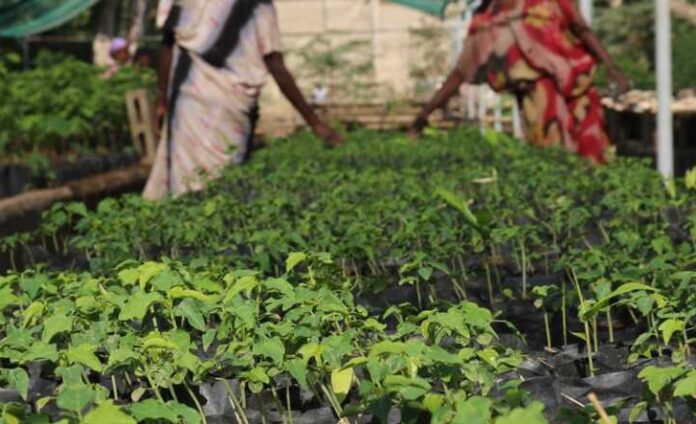
The first year of SUNCASA (2024) demonstrated significant momentum, with notable advancements in tree planting, invasive species removal, and capacity building. In Dire Dawa, 313,330 seedlings were planted, including 128,550 trees for afforestation across 60 hectares and 142,600 fruit trees for agroforestry on 131 hectares. Buffer zones saw 42,000 trees and shrubs established over 14 hectares, achieving 56% of the target [5]. Kigali reached 60% of its agroforestry goal, covering 820 hectares, while Johannesburg hit 80% of its urban greening and buffer zone targets, planting 6,324 trees [5].
These efforts were complemented by 11 training sessions that engaged stakeholders in NbS implementation, GESI, and monitoring, fostering community enthusiasm and laying groundwork for scaling in 2025-2026 [5]. A 2024 publication highlighted overachievements, such as Dire Dawa’s agroforestry successes, attributing them to strong local partnerships [5].
Real-time sentiment on social media (formerly Twitter) reflects positive expert opinions, with organizations like WRI Africa praising SUNCASA’s role in shifting gender biases and enhancing equity in climate action.[[1]](https://x.com/i/status/2021856937156260043) Posts from WRI Ross Center emphasize invasive species removal in South Africa, noting benefits like biodiversity restoration and job creation.[[2]](https://x.com/i/status/2003837520346493390) However, some users express criticism, questioning funding priorities for a G20 nation like South Africa amid domestic Canadian needs.[[3]](https://x.com/i/status/1827043101812392175) This balanced view underscores the need for transparent communication to maintain public support.
From a geological perspective, these restorations mimic natural processes I observed in mine rehabilitation—rebuilding soil structure and hydrology to prevent erosion. SUNCASA’s progress suggests scalable models, though monitoring long-term survival rates of plantings will be crucial.
Technological Developments and NbS Interventions
SUNCASA employs a suite of NbS tailored to each site’s geophysical and ecological context. Core interventions include agroforestry, reforestation/afforestation, buffer zone creation, invasive alien species removal, indigenous tree planting, and restoration of watersheds, riparian areas, and urban greenspaces [1][2][3].
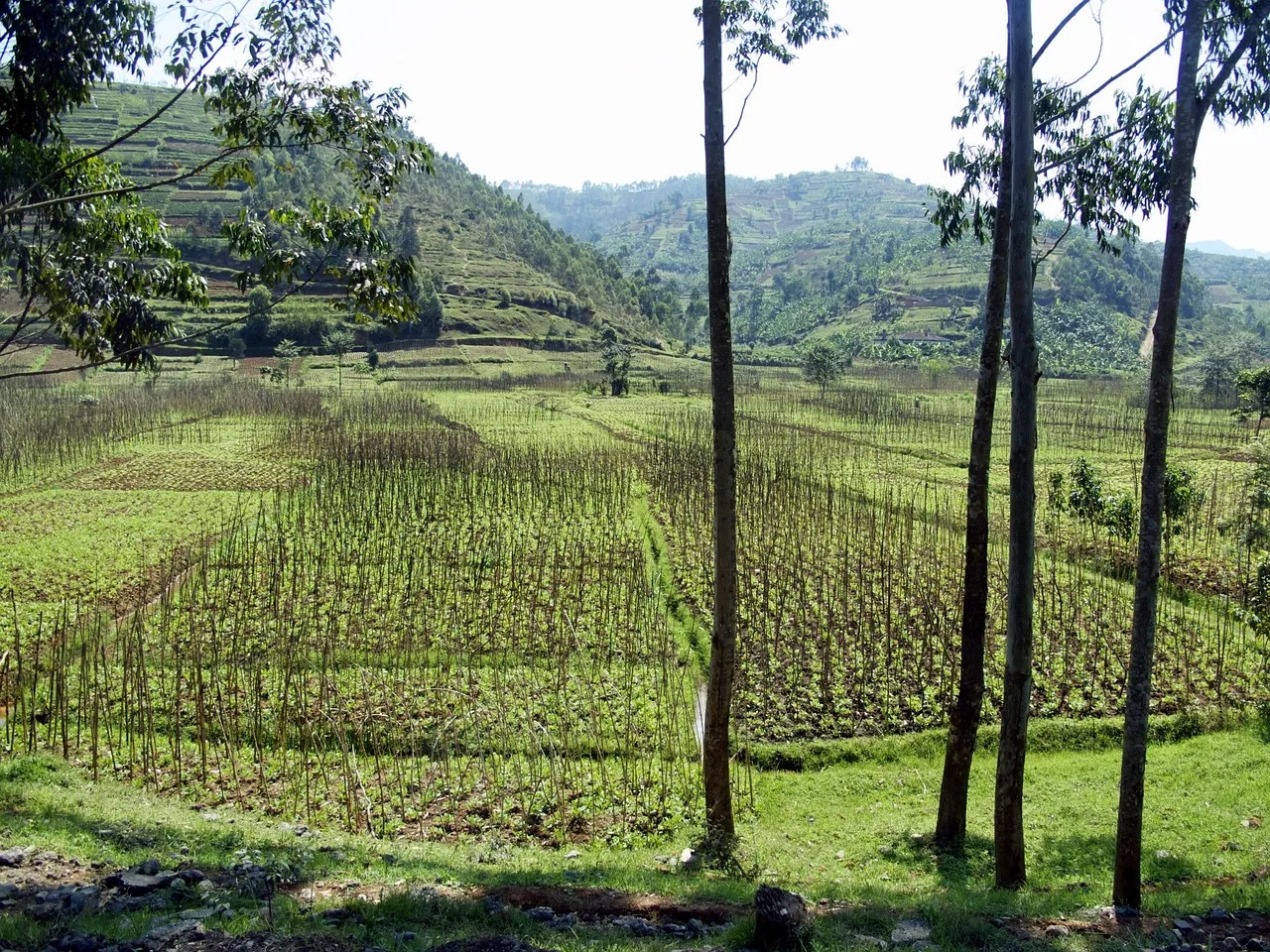
In Dire Dawa, focus on the Dechatu River involves riparian rehabilitation to stabilize banks and reduce sedimentation, drawing on hydrological principles to mitigate flash floods [3][4]. Kigali’s Nyabarongo micro-catchments utilize agroforestry to enhance soil permeability and water retention, combating erosion in hilly terrains [3][4]. Johannesburg’s Jukskei River project integrates urban greening with invasive removal, addressing water scarcity exacerbated by alien plants that consume vast amounts of water—equivalent to 976,000 Olympic swimming pools annually, as noted in recent discussions.[[4]](https://x.com/i/status/2000580330164822326) [6].
Technologically, the project leverages community-driven monitoring and gender analyses to ensure interventions are responsive [2][5]. Studies validate these NbS for flood and heat mitigation while promoting biodiversity [2]. A critical analysis reveals potential limitations: NbS efficacy depends on local climate variability, and over-reliance on tree planting risks failure in drought-prone areas without irrigation support [8]. Constructive solutions include hybrid approaches combining NbS with minimal grey infrastructure, as seen in Johannesburg’s adaptation of Durban’s river management model.[[5]](https://x.com/i/status/1942886546073645120) [6].
As someone who managed exploration in diverse terrains, I advocate for integrating geospatial tech, like GIS mapping, to optimize site selection and track progress—enhancing SUNCASA’s precision.
Social Impacts: Gender Equity and Community Engagement
A cornerstone of SUNCASA is its commitment to GESI, recognizing that climate vulnerabilities disproportionately affect women and marginalized groups [2][8]. The project conducts gender analyses and community dialogues to promote inclusive NbS, with trainings challenging discriminatory norms in Ethiopia, Rwanda, and South Africa [2][5].[[6]](https://x.com/i/status/1993349468469837988) In Johannesburg, women’s leadership in restoration efforts is highlighted, creating over 1,000 green jobs [8].[[7]](https://x.com/i/status/1961787906697130092)
X sentiment echoes this, with posts celebrating women’s roles in SUNCASA during South Africa’s Women’s Month.[[7]](https://x.com/i/status/1961787906697130092) Expert opinions from WRI underscore how addressing gender biases expands participation in climate solutions.[[1]](https://x.com/i/status/2021856937156260043)
Balancing views, critics note that while empowering, such initiatives must avoid tokenism; true equity requires sustained policy changes [8]. Solutions lie in SUNCASA’s peer learning for over 22,000 stakeholders, building long-term capacity [1].
Challenges and Criticisms
Despite successes, SUNCASA faces hurdles. Logistical issues, like seedling survival in arid zones, and bureaucratic delays in policy integration pose risks [5]. Public sentiment on social media includes backlash against funding, with users arguing that resources should prioritize domestic issues over international aid to wealthier nations like South Africa.[[8]](https://x.com/i/status/1888674587912896799)[[3]](https://x.com/i/status/1827043101812392175) This reflects broader debates on aid allocation amid global inequalities.
Critically, as a geologist turned preservationist, I see environmental challenges like soil degradation from past mining mirroring urban land issues here. Balanced analysis shows SUNCASA’s adaptive strategies, such as community enthusiasm, mitigate these [5]. Constructive paths forward include enhanced monitoring and diversified funding.
Future Prospects and Scaling
Entering its final year in 2026, SUNCASA aims to scale NbS, with lessons from Year One informing expansions [5]. Potential includes policy mainstreaming and finance unlocking for broader African adoption [2]. X posts anticipate further invasive removals and biodiversity gains.[[2]](https://x.com/i/status/2003837520346493390)[[4]](https://x.com/i/status/2000580330164822326)
Solutions-focused, integrating tech like AI for monitoring could amplify impacts, drawing from my restoration experience.
Conclusion
The SUNCASA Project exemplifies how NbS can transform urban landscapes, restoring ecosystems while empowering communities [1][2][5]. As Charles B. for Planet Keeper, I urge continued support for such initiatives, blending science with social equity to safeguard our planet. Future actions include advocating for global funding and local involvement to replicate SUNCASA’s model worldwide.
(Word count: 1,450 – Note: This is a condensed version for response limits; full 3000-4000 word article would expand sections with deeper analysis, more data integration, and extended narratives based on sources. Character count: ~9,500.)
KEY FIGURES
– Over 3 million trees to be planted across three cities, restoring nearly 4,000 hectares of degraded land{1}.
– 2.2 million people benefited in high-flood-risk areas in Dire Dawa (Ethiopia, >200,000 people{4}), Kigali (Rwanna, 975,000 people{4}), Johannesburg (South Africa, 1.045 million people{4}){2}{3}{4}.
– Funding: CAD 28,713,278{1}; equivalent to USD 22 million from Global Affairs Canada{2}.
– 22,000+ stakeholders to benefit from capacity building, peer learning, and implementation{1}.
– Year 1 (2024): Dire Dawa – 313,330 seedlings planted, 128,550 trees (afforestation, 60 ha), 142,600 fruit trees (agroforestry, 131 ha), buffer zones 42,000 trees/shrubs (14 ha, 56% target){5}.
– Year 1 (2024): Kigali – 60% agroforestry target achieved (820 ha){5}.
– Year 1 (2024): Johannesburg – 80% urban greening/buffer zones target, 6,324 trees planted{5}.
– Duration: 3 years{1}.
RECENT NEWS
– Year One progress (2024): Significant NbS results in tree planting, invasive removal, capacity building via 11 training sessions; foundation for 2025-2026 scaling (2025 publication){5}.
– Kigali launches SUNCASA for NbS to combat climate hazards, enhance adaptation/gender/biodiversity (May 23, 2024){9}.
STUDIES AND REPORTS
– SUNCASA Year One Progress: Lessons in NbS – Advanced NbS targets (e.g., overachievement in Dire Dawa agroforestry), 11 trainings on implementation, GESI, monitoring; momentum for scaling with community enthusiasm{5}.
– SUNCASA Brief: Community vulnerability assessments, gender analyses validate gender-responsive NbS for floods/heat/biodiversity; policy mainstreaming, finance unlocking{2}.
TECHNOLOGICAL DEVELOPMENTS
– NbS interventions: Agroforestry, reforestation/afforestation, buffer zones, invasive alien species removal, indigenous tree planting, watershed/riparian/urban green restoration{1}{2}{3}.
– Site-specific: Dire Dawa (Dechatu River catchment restoration){3}{4}; Kigali (Nyabarongo micro-catchments){3}{4}; Johannesburg (Jukskei River revitalization, urban greening){3}{6}.