


Introduction
The Philippines, with its extensive network of rivers and vulnerability to tropical storms, faces perennial challenges from flooding and pollution. Metro Manila, home to over 13 million people, suffers particularly from clogged waterways that amplify disaster risks during the rainy season. In this context, San Miguel Corporation’s Better Rivers PH initiative represents a significant private effort to rehabilitate degraded river systems. Initiated in 2020, the program focuses on dredging, waste removal, and maintenance to enhance water flow and reduce flood hazards, all at no cost to the government [1][2][3].
As of 2025, marking its fifth year, Better Rivers PH has cleared more than 170 kilometers of waterways, extracting 8.75 million metric tons of waste and silt across various sites [2]. This scale of intervention comes at a critical time, following devastating typhoons like Kalmaegi in late 2025, which exposed systemic failures in public flood infrastructure [4]. While government projects have been plagued by corruption and inefficiency, private initiatives like this one offer a model for rapid, results-oriented action. However, questions linger about long-term sustainability and the integration of technological innovations. This investigation explores the program’s impact, drawing on recent data, social media insights, and expert analyses to present a balanced view of its role in Philippine environmental stewardship.
The Genesis and Scope of Better Rivers PH
Better Rivers PH was born out of a corporate commitment to environmental responsibility, spearheaded by San Miguel Corporation, one of the Philippines’ largest conglomerates. The program aligns with national goals under the government’s “Oplan Kontra-Baha” (Operation Against Floods), yet operates independently, funding operations through SMC’s resources. Its primary aim is to dredge and desilt major rivers, preventing the accumulation of waste that obstructs natural water flow and exacerbates urban flooding [5].
From its inception, the initiative targeted key waterways in Metro Manila and surrounding provinces, including the Pasig, Tullahan, San Juan, and Bulacan rivers. By focusing on high-impact areas, Better Rivers PH addresses not only immediate flood risks but also broader ecological concerns, such as water quality and biodiversity loss. The program’s scope has evolved to include maintenance phases, recognizing that one-time cleanups are insufficient against ongoing pollution from urban runoff and illegal dumping [2].
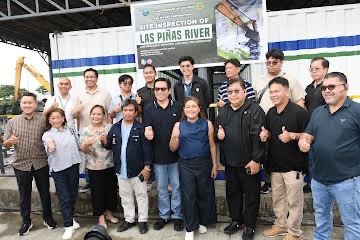
Recent expansions have extended operations to southern Metro Manila, including Las Piñas, Alabang, and Laguna, where dredging began in September 2025. This strategic growth reflects an adaptive approach to emerging flood hotspots, informed by seasonal weather patterns and community needs [1].[[1]](https://ground.news/article/smc-removes-waste-from-paranaque-rivers)
Key Achievements and Metrics
The program’s tangible successes are evident in its impressive metrics. Over five years, Better Rivers PH has removed more than 8.5 million metric tons of silt and solid waste from 10 major rivers, covering over 165 kilometers [3]. This volume equates to thousands of Olympic-sized swimming pools of debris, dramatically improving river capacities and reducing flood durations in affected areas [2].
Specific projects underscore these achievements. In the San Juan River, a 7.6-kilometer stretch yielded 322,000 metric tons of waste between 2022 and 2024, with ongoing maintenance extracting an additional 770,000 metric tons from 17 kilometers of previously dredged sections [2]. Similarly, a rapid cleanup in Las Piñas River removed over 30,000 tons from a 280-meter stretch in just over a month starting September 2025 [1].
By early 2026, the initiative reported clearing 180 kilometers and removing 8.8 million metric tons, enhancing water flow in Metro Manila’s critical river systems.[2] These efforts have not only mitigated flood risks but also contributed to public health by reducing stagnant water breeding grounds for diseases.
Comparative analysis reveals that such private interventions outperform many public projects in efficiency. While government flood control has been criticized for “ghost projects” and corruption, Better Rivers PH delivers verifiable results through transparent reporting and community engagement [4].
Recent Expansions and Maintenance Efforts
In late 2025, SMC intensified operations in southern Metro Manila, launching cleanups at the Las Piñas River mouth and progressing upstream. By October 2025, this phase had already made strides in alleviating local flooding, with plans to extend to Alabang and Laguna [1]. Maintenance returned to the San Juan River due to renewed silting from construction debris, achieving key milestones by early 2026 [2].
Parañaque’s river channels saw over 330,000 metric tons removed from eight kilometers since September 2024, supporting the national anti-flood agenda.[3][4] These efforts highlight the program’s responsiveness to dynamic environmental pressures, including increased sedimentation from upstream developments.
Maintenance cleanups across 17 kilometers have removed 770,000 metric tons, ensuring sustained benefits from initial dredgings [2]. Such iterative work is crucial in a region where typhoons like Kalmaegi in 2025 caused widespread devastation, underscoring the need for ongoing vigilance [4].[[5]](https://t-s.news/r?u=aHR0cHM6Ly90aW1lLmNvbS83MzMxNjIzL3BoaWxpcHBpbmVzLWZsb29kcy1jb3JydXB0aW9uLXR5cGhvb24ta2FsbWFlZ2ktZGVhdGgtdG9sbC1wcm90ZXN0Lw%3D%3D.website.ef5b09f4099d9ad52efc737648c526539d70b49ed5e485dcb55d7526fb6511f0)
Community and Expert Sentiments from Social Media
Social media platforms, particularly X (formerly Twitter), provide a pulse on public and expert opinions regarding Better Rivers PH. Recent posts reflect widespread appreciation for the program’s efficiency, often contrasting it with governmental shortcomings. Financial columnist John Mangun highlighted the initiative’s removal of over 8.5 million metric tons from 165+ kilometers, praising its no-cost model to the government and suggesting it as a benchmark for effective leadership.[6]
News outlets like NewsWatch Plus PH celebrated the clearance of 180 kilometers and 8.8 million metric tons, equating it to 3,500 Olympic-sized pools of waste removed, emphasizing improved water flow in Metro Manila.[2] Community voices echoed this positivity; one user noted the aesthetic and protective benefits of greening riverbanks, drawing parallels to successful mangrove planting in Iloilo City, which has enhanced flood resilience and water cleanliness.[7][8]
Experts on social media have called for replication of such initiatives, with sentiments underscoring the program’s role in pollution reduction and ecosystem protection. However, some critiques point to the need for broader community involvement to prevent re-siltation, reflecting a balanced discourse on sustainability.
Challenges and Criticisms in Philippine Flood Control
While Better Rivers PH garners praise, it operates within a landscape marred by systemic issues. Broader flood control efforts in the Philippines have faced accusations of corruption, poor construction, and “ghost projects” that fail to deliver promised protections, particularly for low-income communities [4]. A 2025 report detailed how over 100 flood-control projects became embroiled in scandals, leaving residents vulnerable during typhoons.[[9]](https://arab.news/m65sa)
No recent scientific studies from 2024-2025 specifically evaluate Better Rivers PH, but general critiques highlight gaps in public initiatives, such as inadequate maintenance and lack of integration with climate adaptation strategies [4]. Private programs like this one contrast sharply, yet they cannot fully substitute for comprehensive governmental action. Challenges include renewed silting from urban development and the absence of innovative technologies in dredging operations [1][2].
Balanced analysis reveals that while SMC’s efforts are commendable, they risk being undermined by unregulated upstream activities and climate change-induced extreme weather. Experts advocate for policy reforms to address these root causes, ensuring private initiatives complement rather than replace public responsibilities.
Technological and Innovative Approaches
Current operations rely on traditional dredging and silt removal, with no major technological breakthroughs reported in 2024-2025 sources [1][2]. However, potential for innovation exists, such as integrating AI-driven monitoring for real-time silt detection or eco-friendly barriers to prevent waste ingress. Social media discussions suggest adopting nature-based solutions, like mangrove restoration seen in other regions, to enhance riverbank stability and filtration.[8]
Globally, advancements in atmospheric river forecasting and plastic waste interceptors could inform Philippine strategies.[[10]](https://watchers.news/epicenter/what-are-atmospheric-rivers-and-how-they-shape-regional-flood-patterns)[[11]](https://metrocebu.news/global-30-cities-program-brings-plastic-waste-interceptors-to-manila-bay-in-2026) For Better Rivers PH, incorporating such tools could amplify impact, shifting from reactive cleanups to preventive measures. Collaborative pilots with NGOs and tech firms might bridge this gap, fostering resilient waterways.
Constructive Solutions and Actionable Paths Forward
To build on Better Rivers PH’s foundation, stakeholders should pursue integrated solutions. First, enhance public-private partnerships to scale maintenance and incorporate community education on waste management, reducing re-pollution rates. Policy advocacy for stricter regulations on upstream construction could prevent silting, while investing in green infrastructure—like permeable pavements and riparian buffers—offers long-term flood mitigation [4].
Actionable steps include piloting tech innovations, such as drone-based monitoring for efficient dredging, and expanding mangrove planting programs inspired by successful models.[8] Engaging local communities through volunteer drives and awareness campaigns can foster ownership, ensuring sustainability. Finally, independent audits and scientific studies would provide data-driven insights, guiding expansions and addressing criticisms transparently.
By aligning with global sustainability goals, Better Rivers PH could evolve into a national blueprint, emphasizing collaboration over isolated efforts.
Conclusion
Better Rivers PH stands as a testament to the power of private initiative in tackling environmental crises, having removed millions of tons of waste and cleared extensive river stretches to combat flooding in the Philippines. Yet, its successes illuminate broader systemic failures, urging a shift toward holistic, collaborative approaches. As climate threats intensify, integrating social media-driven community insights, technological innovations, and policy reforms offers a pathway to resilient waterways. Stakeholders must act decisively—supporting expansions, advocating for accountability, and investing in sustainable practices—to safeguard vulnerable populations and preserve the nation’s vital rivers for generations to come.
1. KEY FIGURES:
– Over 8.6 million metric tons of silt and waste removed from 166 kilometers of river systems in Metro Manila and nearby areas[1]. – More than 170 kilometers of waterways covered and 8.75 million metric tons of waste and silt removed across completed sites[2]. – Over 8.5 million metric tons of silt and solid waste removed from 10 major rivers (fifth year as of 2025)[3]. – Over 30,000 tons of silt and waste removed from a 280-meter stretch of Las Piñas River in just over a month (starting September 2025)[1]. – 322,000 metric tons removed from 7.6-kilometer stretch of San Juan River (2022-2024 phase)[2]. – Over 770,000 metric tons removed from 17 kilometers in maintenance cleanups of previously dredged rivers[2].
2. RECENT NEWS:
– SMC ramps up Better Rivers PH in southern Metro Manila (Las Piñas, Alabang, Laguna); operations began September 1, 2025, at Las Piñas River mouth, progressing upstream (October 15, 2025, thephilbiznews.com)[1].
– SMC returns to San Juan River for maintenance due to renewed silting from construction debris; key milestone late 2025 (January 10, 2026, insiderph.com)[2].
– Fifth-year progress of Better Rivers PH highlighted, with ongoing removals from major rivers (August 22, 2025, philstar.com)[3].
3. STUDIES AND REPORTS:
– No recent (2024-2025) scientific studies specifically on Better Rivers PH identified in results; general flood control critiques note issues like poor construction, corruption, and ghost projects in government efforts, contrasting private initiatives (context.news, 2025)[4].
4. TECHNOLOGICAL DEVELOPMENTS:
– No specific new technological developments (e.g., equipment or innovations) detailed in 2024-2025 sources; efforts rely on dredging, silt removal, and maintenance cleanups[1][2].