



Introduction
Bhutan’s commitment to environmental conservation is enshrined in its constitution, mandating at least 60% forest cover—a target it exceeds with policies emphasizing Gross National Happiness (GNH) over pure economic growth [7][G1]. Recent initiatives like Restore Bhutan aim to rehabilitate degraded landscapes, enhancing biodiversity and climate resilience amid rising threats [G12]. However, climate change poses severe risks, including GLOFs from 24 high-risk glacial lakes and glacier retreat at 30–60 meters per decade, threatening hydropower, which supplies over 90% of energy and drives exports [4][1][5]. Economic pressures from untapped hydropower potential (estimated at 36,900 MW, with only ~9% utilized) and tourism growth add complexity, potentially leading to habitat loss and social disruptions [3][1][2]. This section overviews the interplay of restoration, hazards, and development, synthesizing factual data and expert perspectives for a balanced analysis.
Bhutan’s Restoration Initiatives: Progress and Potential
Bhutan’s restoration efforts, such as the Restore Bhutan program, focus on large-scale forest protection, community forestry, and ecosystem rehabilitation, targeting 50,000 hectares for revival to boost carbon sequestration and reduce fire risks [7][G3][G12]. These initiatives deliver substantial resilience benefits, including biodiversity gains and enhanced ecosystem services, as noted in WWF reports on Eastern Himalayas conservation [7][G1]. Community-based monitoring using mobile GIS tools supports tracking regeneration, while nature-based techniques like riparian buffer restoration stabilize landslide-prone slopes [7].
Expert analyses highlight successes: a 2024 One Tree Planted report details rural tree-planting aiding livelihoods and biodiversity [G3]. UNDP’s adaptation profile underscores how these efforts mitigate climate impacts by reviving drylands and strengthening watersheds [4][G2]. However, gaps remain; studies emphasize that while restoration provides carbon sinks, it must integrate with GLOF monitoring to address accelerating hazards [4][G5].
Climate Hazards: GLOFs, Landslides, and Runoff Challenges
Climate threats are intensifying, with glacier retreat expanding supra-glacial lakes and raising GLOF risks that endanger lives, agriculture, and infrastructure [4][5]. Reports document 24 at-risk lakes, potentially causing displacement and economic losses [5][G4]. World Bank analyses warn of significant GDP reductions by 2050 under hotter, drier scenarios without adaptation, disproportionately affecting vulnerable populations [3][G10].
UNDRR assessments recommend resilient infrastructure, including sediment management for hydropower amid changing runoff and sedimentation [6]. X discussions reflect regional concerns, with posts linking Bhutan’s vulnerabilities to Sikkim’s 2023 floods and Ladakh’s glacial issues, underscoring the need for early-warning systems [G16][G17]. Degrowth perspectives argue these hazards expose the limits of growth-oriented models, advocating reduced activity to preserve ecosystems [G9].
Economic Pressures: Hydropower Expansion and Tourism Growth
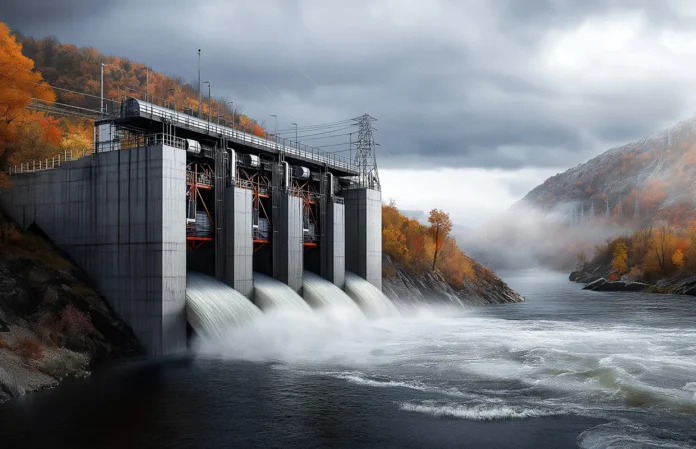
Bhutan’s economy hinges on hydropower (over 90% energy supply) and tourism, but expansion risks offsetting restoration gains [1][3]. With 36,900 MW potential and only ~9% tapped, projects drive revenue but cause habitat loss, resettlement, and sedimentation [3][6][8]. Tourism, under the “high value, low volume” policy with Sustainable Development Fees, boosts income yet strains infrastructure and waste management [2][G6].
Critical viewpoints highlight trade-offs: civil-society commentary questions “greenwashing” when carbon-negative claims justify extractive uses without transparency [1][3][G8]. World Bank reports call for diversification into renewables like solar hybrids to reduce single-sector dependence [3][G6]. on social media, sentiments critique tourism surges post-2009 films, paralleling Ladakh’s ecosystem strains, and warn of cultural shifts [G19][G20].
Trade-Offs, Social Issues, and Governance Challenges
Restoration benefits are undermined by social trade-offs, including displacement from hydropower and tourism-induced cultural shifts [5][7]. Studies note under-documented community impacts, urging transparent benefit-sharing and grievance mechanisms [5][7][G13]. UNDP emphasizes integrated planning across sectors to address equity [4].
Alternative perspectives, including degrowth, suggest scaling back development to prioritize local well-being, as echoed in BBC analyses of 2025 climate wins [G9]. Experts on social media advocate for grassroots involvement to mitigate friction, viewing restoration as a tool for adaptive livelihoods [G15].
Constructive Solutions and Emerging Trends
Promising solutions include GLOF early-warning systems with satellite monitoring and community sensors, supported by UNDP and World Bank partnerships [4][6][G7]. Hydropower resilience via pumped storage and sediment management is under study [6]. Diversification pilots in solar and small-scale hybrids complement hydropower [1].
Trends toward integrated resilience, like ACREWAS for water management, show progress [G5][G10]. Community-focused projects, such as BIOFIN biodiversity finance, fund sustainable tourism and river protection [1][7]. Global collaboration, as in 2025 World Bank financing, provides lifelines [G7]. Degrowth-inspired approaches propose limits on infrastructure in high-risk areas, fostering low-impact pathways [G8][G9].
Direct answer: Bhutan’s restoration efforts (large-scale forest protection, community forestry, Restore Bhutan and related programs) provide substantial resilience benefits and clear carbon and biodiversity gains, but they are unlikely on their own to fully overcome accelerating climate hazards (GLOFs, landslides, changing runoff and sedimentation) and mounting economic pressures (hydropower expansion, tourism growth, extractive uses) without strengthened climate adaptation, diversified low‑impact development pathways, and deeper attention to local social trade‑offs and governance.{4}{6}{7}
Key supporting facts and sources are organized below (sources numbered in MAIN SOURCES:
-
- KEY FIGURES:
– 60% — Bhutan’s constitutional/longstanding target to maintain at least 60% forest cover (policy objective cited by conservation and policy outlets).{7}
- >90% — Hydropower currently accounts for more than 90% of Bhutan’s energy supply (reported in multiple policy/press summaries).{1}
- ~36,900 MW — Estimated hydropower potential in Bhutan (figure cited in policy/press coverage of energy potential).{1}
- 24 — Number of glacial lakes reported as currently at risk of overflow with potential to affect communities and infrastructure (glaciological/GLOF reporting summarized by climate studies and briefs).{5}
- Glacier retreat rate ~30–60 meters per decade — Observed glacier recession rates cited in climate adaptation reports for Bhutan.{4}
- ~9% — Share of Bhutan’s exploitable hydro potential currently utilized (Bhutan uses only about 9% of its hydro potential, per development analyses).{3}
RECENT NEWS (selected 2023–2025 reporting and announcements relevant to restoration, climate risks, and development)
- Bhutan launches or scales “Restore Bhutan” reforestation and ecosystem rehabilitation initiatives — announced/covered by national policy briefs and restoration partners (program name widely used in government and partner reporting).{7}
- Increased GLOF risk monitoring & early-warning investments — UNDP/UNDRR/World Bank partnership activities and national assessments documenting expanded GLOF monitoring and infrastructure resilience measures (reports 2022–2024; follow-up implementation updates through 2024–2025).{4}{6}
- Hydropower development debate intensifies as Bhutan seeks revenue from power exports while facing climate/geomorphic risks — covered in development blogs/analyses and civil‑society commentary in 2023–2025 cycles.{3}{6}
- Eco‑tourism “high value, low volume” policy persists while tourism growth pressures local infrastructure and waste management (ongoing reporting through 2023–2025 on tourism revenues vs. environmental footprint).{2}{1}
STUDIES AND REPORTS
- UNDP adaptation profile for Bhutan: Main conclusions — climate change is already increasing glacier retreat and expanding supra‑glacial lakes, raising GLOF risks that threaten lives, agriculture, hydropower and infrastructure; adaptation must prioritize GLOF monitoring, catchment management, and resilient water/energy systems.{4}
- World Bank / development analyses (“Beyond Forests and Happiness” & related briefs): Main conclusions — Bhutan’s climate-sensitive economy (hydropower, agriculture, tourism) faces substantial exposure; hydropower revenues and energy security are vulnerable to changes in precipitation, snowmelt and sedimentation, requiring early adaptation and diversification of economic strategies.{3}
- UNDRR Resilient Infrastructure Assessment (Bhutan): Main conclusions — identifies measures to protect hydropower and water infrastructure from climate and geologic risks and recommends standards, reservoirs/pumped storage, and finance/maintenance improvements for resilience.{6}
- Case studies on climate displacement and GLOF risk: Main conclusions — GLOFs and changing water regimes can cause localized displacement, threaten livelihoods, and increase social vulnerability; adaptation requires integrated planning across community, hydropower and conservation sectors.{5}
TECHNOLOGICAL DEVELOPMENTS (recent/ongoing tools and tech being applied in Bhutan’s restoration and resilience work)
- GLOF early warning systems and remote sensing monitoring — satellite-based glacier and lake monitoring combined with ground-based sensors and community warning systems (described in UNDP/UNDRR and partner projects).{4}{6}
- Sediment management and reservoir/desilting approaches for hydropower — engineering measures and proposals (including pumped storage/reservoir investments) to manage altered sediment loads and seasonal flow variability.{6}
- Community-based forest monitoring using mobile and participatory GIS tools — applied in community forestry and restoration initiatives to track regeneration and illegal extraction (documented in conservation partner reports).{7}
- Renewable energy diversification pilots (solar, small-scale hybrids) to complement hydropower and reduce single‑source vulnerability — pilot projects and policy discussions reported in energy briefs and sustainability articles.{1}
- Nature-based restoration techniques (native species reforestation, riparian buffer restoration, soil stabilization for landslide-prone slopes) being scaled by government and partners under Restore Bhutan-type initiatives.{7}
ONGOING PROJECTS AND INITIATIVES (examples from governmental and partner activity)
- Restore Bhutan (national restoration/reforestation and landscape rehabilitation efforts) — programmatic focus on reforestation, biodiversity recovery, and community forestry (national and partner communications).{7}
- GLOF risk reduction projects (monitoring, lake lowering/engineering, early-warning) supported by UNDP, local agencies and international partners — active assessments and implementation steps described in UNDP/UNDRR materials.{4}{6}
- Hydropower resilience planning (exploring reservoirs/pumped storage, sediment management, transmission upgrades) — identified in national resilience assessments and UNDRR recommendations.{6}
- Biodiversity finance and community-based conservation (BIOFIN and WWF partnership activity) — supporting river protection, sustainable tourism guides, and financing mechanisms for conservation.{1}{7}
- Sustainable tourism policy (High Value, Low Volume; Sustainable Development Fee) — ongoing national policy to manage tourist impacts and fund conservation/community benefits.{2}
OBSERVED/IDENTIFIED TRADE-OFFS AND SOCIAL ISSUES (reported in field studies, civil society commentary and policy analyses)
- Economic dependence on hydropower drives projects that can cause habitat loss, resettlement, sedimentation risks and social friction unless carefully planned with safeguards and community participation.{3}{6}{7}
- Tourism expansion (even under SDF policy) creates localized waste, infrastructure stress and cultural/commercial shifts if not tightly managed and reinvested into communities.{2}{7}
- Questions about “greenwashing” arise when carbon‑negative framing is used to justify expansionary economic activity without full transparency on ecosystem/ social trade‑offs; independent monitoring and social safeguards are needed (raised in critical commentary and academic analysis).{1}{3}
GAPS, UNCERTAINTIES AND RECENT STUDY CONCLUSIONS
- Credible recent studies emphasize that forest cover and carbon sinks are real and valuable for climate mitigation, but that climate adaptation (GLOF risk, sediment dynamics, changing runoff) is the critical unresolved vulnerability that can undermine hydropower and livelihoods unless investment in monitoring and engineered + nature‑based measures is scaled up.{4}{3}{6}
- Economic diversification and cautious development planning (including limits on large infrastructure in high-risk catchments) are repeatedly recommended; several reports call for reducing single‑sector dependence on hydropower and expanding resilient small-scale renewables and diversified livelihoods.{3}{6}
- Community-level social impacts (resettlement, shifting livelihoods, equity in benefit-sharing) remain under-documented in some national reports and require more field-based research and transparent grievance/benefit mechanisms, according to civil-society and academic sources.{5}{7}
IMPLICATIONS FOR THE CENTRAL QUESTION (synthesis of evidence)
- Restoration delivers measurable mitigation and biodiversity benefits and strengthens many ecosystem services, but those gains are partially offset by accelerating climate hazards (GLOFs, landslides, variable runoff) and the socioeconomic imperative to generate revenue (hydropower exports, tourism) which can drive new landscape pressures unless tightly governed and adapted for risk.{4}{6}{7}{3}
- For restoration to “overcome” the combined threats, Bhutan needs: (a) integrated watershed-scale planning linking restoration, GLOF mitigation, and hydropower siting; (b) diversification of energy and revenue sources; (c) stronger social safeguards and benefit-sharing; and (d) sustained international technical and finance support for monitoring, engineered protections, and community adaptation — recommendations that recur across the UNDP, World Bank, UNDRR and conservation literature.{4}{3}{6}{7}