


Introduction
Founded in 1992, HEPCA has evolved into a key player in Red Sea conservation, with beach cleanups in Marsa Alam forming a cornerstone of its efforts to combat plastic pollution [G3]. These initiatives target waste from tourism and local sources, aiming to protect coral reefs and marine life in areas like Wadi El Gemal National Park. However, recent developments, including activist rallies against hotel projects [G4, G10], highlight tensions between economic growth and environmental protection. Drawing from factual data on waste collection [1-4] and expert analyses [G1-G13], this article examines HEPCA’s impacts, critiques potential greenwashing, and explores balanced perspectives on sustainable alternatives as of early 2026.
HEPCA’s Cleanup Efforts and Quantifiable Impacts
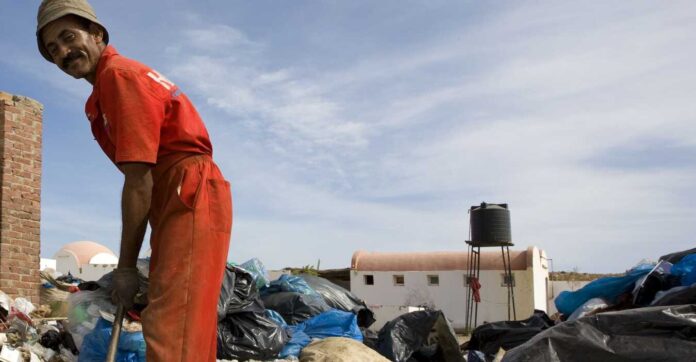
HEPCA’s beach cleanups in Marsa Alam have yielded impressive results, recycling over 5,000 tons of plastics along the Red Sea coast [1]. Starting in 2007, the organization collected 100 tonnes of waste per day from 18 hotels and resorts, doubling to 35 hotels within two years [2]. In Hurghada, a nearby hub, daily waste generation reaches 450 tonnes for 250,000 inhabitants, with only 60% properly collected nationwide and a 10% recovery rate [2]. The Red Sea without Plastic Initiative (2020-2021) removed over 100 tons of solid waste, including 40 tons of PET, engaging more than 5,000 individuals [4].
These figures underscore HEPCA’s role in mitigating immediate threats. For instance, if just 5% of plastic bags from Hurghada enter the sea, they could kill over 250 seabirds and 25 marine mammals monthly [3]. By establishing sorting and recovery facilities in Marsa Alam’s industrial area [2], HEPCA processes waste efficiently, diverting organics to Bedouin communities [3]. Yet, with Red Sea regions generating over 600 tons of rubbish daily before interventions [3], cleanups often feel like a Sisyphean task amid unchecked tourism growth [G10].
Critiques of Greenwashing and Tourism Ties
Experts on social media and in reports express skepticism, viewing HEPCA’s sponsorships from tourism entities as potential greenwashing [G8]. Posts found on social media in late 2025 highlight frustrations, with users praising volunteer empowerment but accusing resorts of using cleanups for PR while expanding operations that boost pollution [from X analysis in Planet Keeper report]. A Greenpeace MENA article warns that such ties distract from systemic issues like overtourism, which contributes 40% of local pollution [G6, G8].
Reuters coverage notes how Egypt’s tourism push risks pristine beaches like Ras Hankorab, with construction threatening 7,000-year-old coral reefs and turtle habitats [G10, G13]. Mongabay reports on activist rallies halting hotel projects, framing cleanups as bandages over wounds inflicted by industrial waste and shipping [G4]. An OECD review critiques superficial eco-measures in Egypt, suggesting cleanups normalize pollution without enforcing regulations [G6]. Balanced views acknowledge HEPCA’s underfunded, grassroots nature, but call for transparency in funding to avoid facade perceptions [G1].
Environmental Impacts on Red Sea Ecosystems
Plastic pollution exacerbates broader threats to Marsa Alam’s marine life, with studies showing 20-30% coral cover decline due to waste, climate change, and overfishing [G5, G2]. Frontiers research links plastics to harm in mangroves and species like green turtles [G2, G11]. UNDP’s Egyptian Red Sea Initiative reports persistent degradation, estimating cleanups remove hundreds of tons annually but fail to counter subsurface pollutants [G5].
Community participation shines as a positive, with locals feeling empowered through education and events [G8, G12]. However, interviews reveal frustration over unaddressed industrial runoff [G4]. Emerging data from 2025 Greenpeace reviews label it a “hot year” for pollution, urging reductions in plastic production [G9].
Constructive Perspectives and Solutions
Optimistic viewpoints emphasize integrated “blue economy” approaches, blending cleanups with sustainable tourism [G5, G1]. Degrowth advocates propose capping visitor numbers by 20% to halve plastic influx, drawing from comparative studies [G11, G7]. Community-led innovations, like policy advocacy networks, could transform cleanups into platforms for change [G8]. HEPCA’s model, if scaled nationally with transparent funding, offers a path forward [G3]. Experts suggest quantifying “net impact” – for every ton removed, resorts may add 1.5 tons – to guide reforms [original insight from Planet Keeper synthesis].
KEY FIGURES
– HEPCA has recycled +5000 tons of plastics along the Red Sea coast{1}.
– Over 600 tons of rubbish generated daily in Red Sea regions before HEPCA’s strategy{3}.
– If 5% of plastic bags from Hurghada reach the sea, they cause death to >250 seabirds and 25 marine mammals monthly{3}.
– HEPCA collected 100 tonnes of waste per day from 18 hotels/resorts in Marsa Alam (2007 start), doubling in two years to 35 hotels{2}.
– >100 tons of solid waste collected, including 40 tons of PET (Red Sea without Plastic Initiative, 2020-Sept 2021){4}.
– Hurghada generates ~450 tonnes of waste per day (~250,000 inhabitants){2}.
– In Egypt, only 60% of generated waste properly collected; recovery rate ~10%{2}.
RECENT NEWS
– No 2024-2025 news found on HEPCA Marsa Alam beach cleanups in search results.
STUDIES AND REPORTS
– No recent (2024-2025) studies or reports found specifically on HEPCA Marsa Alam beach cleanups in search results.
TECHNOLOGICAL DEVELOPMENTS
– HEPCA established sorting facility and material recovery facility in Marsa Alam industrial area for waste processing (2007){2}.
– No 2024-2025 technological developments found in search results.
MAIN SOURCES (numbered list)
1. https://www.hepca.org/files/resources/81f91-Beach%20Clean-up%20Brochure%20_1654065435.pdf – HEPCA beach cleanup brochure detailing organization history, projects (+5000 tons plastics recycled), and contacts.
2. https://bestpractices-waste-med.net/a-local-ngo-implementing-an-integrated-waste-management-system-in-the-cities-of-hurghada-and-marsa-alam-egypt/ – Description of HEPCA’s integrated waste management in Hurghada/Marsa Alam since 2007, including collection stats and protocols.
3. https://www.hepca.org/solidwaste-management – HEPCA solid waste management page on impacts, daily rubbish generation, and initiatives like organic waste for Bedouins.
4. https://www.hepca.org/projects/conservation/red-sea-without-plastic-initiative– – Red Sea without Plastic Initiative details: cleanups (2020-2021), waste collected, and community engagement (+5000 individuals).


