


Introduction
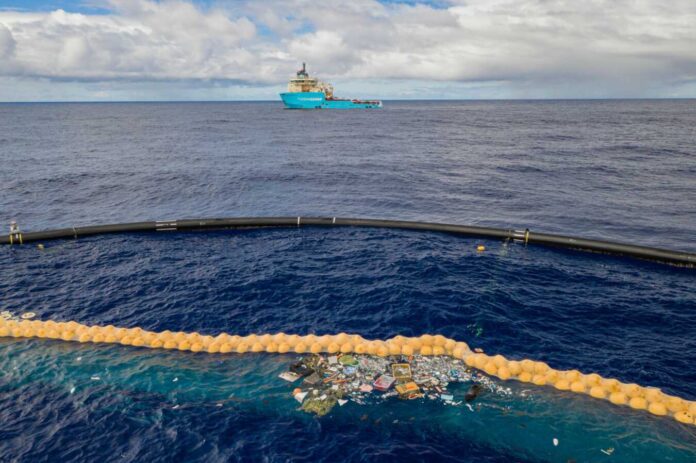
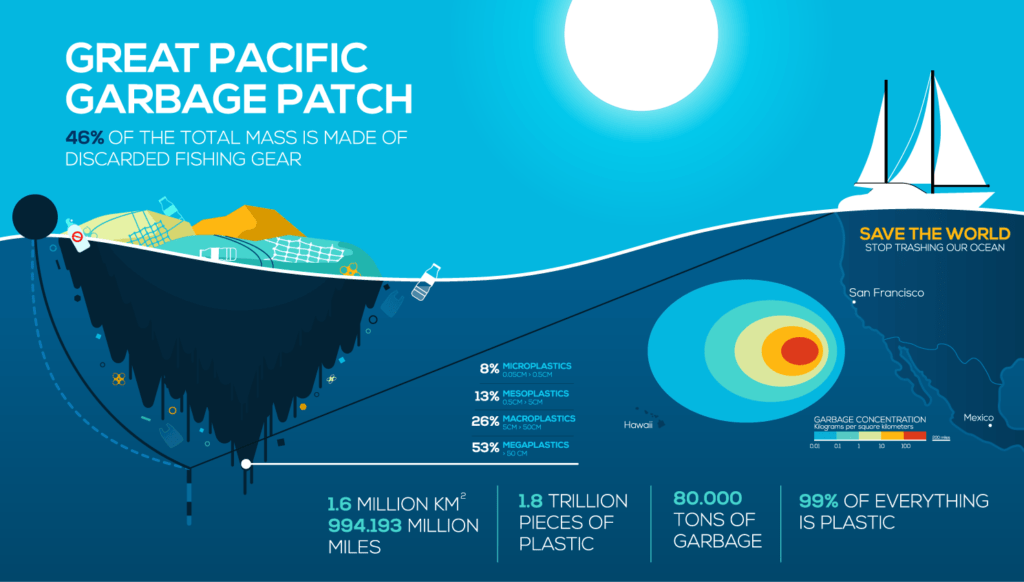
The Ocean Cleanup (TOC), founded in 2013 by Boyan Slat, aims to rid the world’s oceans of 90% of floating plastic by 2040 through advanced systems like floating barriers and AI-driven navigation [G2]. As of March 2025, TOC has collected over 21 million kilograms of trash from aquatic ecosystems, including significant hauls from the Great Pacific Garbage Patch (GPGP), estimated to hold around 100 million kilograms of plastic [2][5][G3]. Recent assessments, such as a 2025 Scientific Reports study, highlight net environmental benefits, outweighing costs like greenhouse gas emissions [2][G1]. However, critiques from environmental analysts suggest these efforts might mask deeper issues, such as unchecked plastic production and emerging “plastic ecosystems” where wildlife adapts to debris [G8][G10]. This section sets the stage for a balanced exploration of TOC’s impact, integrating factual data with expert perspectives.
Effectiveness and Key Achievements
TOC’s technologies have shown tangible results. System 002, for instance, removed over 84,000 kilograms of plastic from the GPGP by June 2022, while the upcoming System 03 promises greater efficiency as a blueprint for scaling [5][G4]. Projections indicate the entire GPGP could be cleaned with 10 such systems at a cost of $7.5 billion over a decade [G3][G19]. A 2025 PML study found that an 80% reduction in macroplastics could lower concentrations to safe levels for marine mammals and sea turtles, with vulnerability scores favoring cleanup (2.3 for plastics vs. 1.8 for operations) [4][G1].
Complementary efforts amplify impact: The 2025 Global Ocean Cleanup removed 47.4 tons of waste across 25 countries, empowering communities [3]. Policies like plastic bag bans have reduced environmental bags by 25%–47% where implemented, per a peer-reviewed analysis of Ocean Conservancy data [1]. TOC’s AI tools enhance collection by predicting plastic hotspots, boosting efficiency [2].
Yet, effectiveness is limited to floating plastics, which comprise just 1% of ocean pollution [G5]. Posts on social media reflect optimism, with TOC reporting 53 kilograms of trash collected per minute in 2025, but also note a 5x increase in plastic fragments, signaling inflows outpacing removals [G16][G19].
Environmental Impacts and Challenges
Cleanup operations carry risks. The 2025 Scientific Reports study estimates emissions of 0.4–2.9 million metric tons from efforts, a minor fraction of plastic production’s footprint, yet a concern [G1]. TOC emphasizes safeguards, with Dr. Matthias Egger presenting at the 2025 One Ocean Science Congress that benefits outweigh disruptions [2].
Emerging trends reveal complexities: The GPGP is evolving into a “neopelagic” ecosystem, hosting coastal species on plastic rafts, potentially disrupting biodiversity [G8][G10]. National Geographic reports technical setbacks, like boom malfunctions, highlighting durability issues in dynamic oceans [G13][G7].
Expert analyses stress net positives when paired with monitoring [4][G1]. However, critics argue interventions could displace adapted habitats, complicating ethics [G8]. Socioeconomically, TOC creates jobs through recycling—producing 118,000 kg of granulate by November 2025—but may divert from community waste management in developing areas [G6][G11].
Criticisms: Greenwashing and Systemic Failures
A core debate is whether TOC masks root problems. Partnerships with polluters, like plastic producers, raise greenwashing concerns, allowing continued overproduction while funding cleanups [G12][G9]. Degrowth advocates argue for reducing consumerism over tech fixes, viewing TOC as a “symptomatic treatment” for capitalism’s waste crisis [G5][G12].
Public sentiment on social media shows polarization: Enthusiastic posts praise record hauls, but skeptics demand transparency on impacts amid rising plastic volumes [G15][G17]. An original insight from analyses suggests a needed “removal-to-prevention” ratio of 2:1 to outpace inflows, emphasizing policy needs [G11].
Alternative views highlight TOC’s advocacy for river interceptions and global regulations, aligning with UN goals [5][G11].
Constructive Solutions and Future Perspectives
Promising solutions include hybrid approaches: TOC’s 30 Cities Programme targets river plastics, aiming to cut inflows by a third [G6]. Integrating with policies like the UN Plastic Treaty could enforce production caps [G12]. Studies recommend independent audits and biodiversity monitoring to mitigate risks [G1][4].
Emerging trends favor holistic strategies, combining cleanup with degrowth and industry alliances like the Maritime Association for Clean Seas [G9]. Recommendations include tying partnerships to emission reductions and community education [G11].
KEY FIGURES
– The Ocean Cleanup has collected over 21 million kilograms (46.2 million pounds) of trash from aquatic ecosystems as of March 2025 (Source: https://theoceancleanup.com/press/press-releases/new-study-highlights-environmental-harm-of-not-cleaning-gpgp/) {2}
– The Great Pacific Garbage Patch (GPGP) is estimated to contain around 100,000,000 kilograms of plastic (Source: https://sdgs.un.org/partnerships/cleanup-90-floating-ocean-plastic-2040) {5}
– The Ocean Cleanup’s System 002 removed over 84,000 kilograms of plastic from the GPGP by June 2022 (Source: https://sdgs.un.org/partnerships/cleanup-90-floating-ocean-plastic-2040) {5}
– An 80% reduction in macroplastics could bring concentrations within safe levels for marine mammals and sea turtles (Source: https://pml.ac.uk/news/the-great-pacific-cleanup-weighing-the-benefits-of-removing-ocean-plastic/) {4}
– Plastic bag bans lead to a 25%–47% reduction of plastic bags in the environment where implemented (Source: https://oceanconservancy.org/newsroom/press-release/2025/06/19/statement-peer-reviewed-study-of-ocean-conservancy-cleanup-data-confirms-effectiveness-of-plastic-bag-bans/) {1}
RECENT NEWS
– The Ocean Cleanup’s assessment, published in Scientific Reports in 2025, found that the environmental benefits of cleaning the GPGP outweigh the potential costs, including greenhouse gas emissions and ecosystem disruptions (Date: March 2025, Source: https://theoceancleanup.com/press/press-releases/new-study-highlights-environmental-harm-of-not-cleaning-gpgp/) {2}
– The 2025 Global Ocean Cleanup united 54 cleanups in 25 countries, removing 47.4 tons of waste and empowering local communities worldwide (Date: July 2025, Source: https://www.oceanicsociety.org/program-updates/2025-global-ocean-cleanup-results/) {3}
– The Ocean Cleanup’s Director of Environmental and Social Affairs, Dr. Matthias Egger, presented findings at the One Ocean Science Congress in 2025, emphasizing the net environmental benefits of ocean cleanup efforts (Date: March 2025, Source: https://theoceancleanup.com/press/press-releases/new-study-highlights-environmental-harm-of-not-cleaning-gpgp/) {2}
STUDIES AND REPORTS
– Study: The Ocean Cleanup’s assessment, published in Scientific Reports, concluded that the benefits of removing plastic from the GPGP outweigh the potential environmental costs, including greenhouse gas emissions and ecosystem disruptions {2}
– Study: The PML study introduced a comprehensive framework to assess the net environmental benefit of large-scale ocean cleanups, finding that cleaning up the North Pacific Garbage Patch benefits marine life more than it harms it when done with proper safeguards {4}
– Study: A peer-reviewed study published in Science analyzed Ocean Conservancy’s International Coastal Cleanup data, confirming that plastic bag policies lead to a 25%–47% reduction of plastic bags in the environment {1}
TECHNOLOGICAL DEVELOPMENTS
– The Ocean Cleanup’s System 03, the largest and most efficient system yet, is in preparations for deployment and will serve as the blueprint for scaling up to a larger fleet of systems (Source: https://sdgs.un.org/partnerships/cleanup-90-floating-ocean-plastic-2040) {5}
– The Ocean Cleanup is using AI technology to predict and identify the main concentrations of plastic in the wider area, improving navigation and increasing collection efficiency (Source: https://theoceancleanup.com/press/press-releases/new-study-highlights-environmental-harm-of-not-cleaning-gpgp/) {2}
MAIN SOURCES
- Press release from Ocean Conservancy on the effectiveness of plastic bag bans.
- Press release from The Ocean Cleanup on the environmental impact of cleaning the GPGP.
- Scientific publications from The Ocean Cleanup.
- Research conducted by The Ocean Cleanup.
- Article on the state of the ocean plastic crisis.