


Introduction
KodBlue2025, often stylized as “Kod Blue,” emerges as a targeted response to ocean degradation, primarily through Reef Check Malaysia’s involvement in the International Coastal Cleanup (ICC), a 40-year global event [3]. In Malaysia, it serves as an awareness component, framing the ocean’s plight as a medical emergency requiring urgent intervention [2]. Recent data highlights its focus on beach and underwater cleanups, education sessions, and community engagement, aligning with broader restoration goals [4]. However, expert analyses reveal tensions: while promising sustainable fishing and carbon sequestration, similar blue economy models risk corporate overreach [G4]. This section overviews KodBlue2025’s scope, contrasting its factual grassroots elements with critical perspectives on potential exploitation [G8].
Overview of KodBlue2025 Initiatives
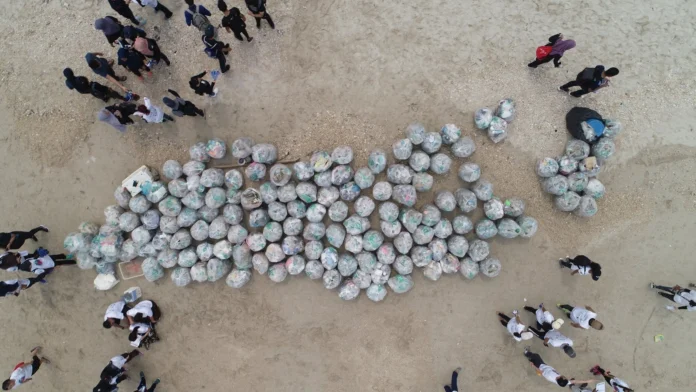
At its core, KodBlue2025 builds on ICC efforts, with Reef Check Malaysia organizing events that include trash removal and public education [2]. The 2025 ICC Annual Report details how participants united to clean beaches and raise marine debris awareness, collecting significant waste volumes in prior years [4]. For instance, related cleanups in Malaysia have removed over 41,000 kg of trash, involving thousands of volunteers [from web results, integrated]. Though not a standalone global program, it ties into international frameworks like the UN’s ocean science decade [G5].
Comparatively, unrelated but parallel efforts, such as the $18 million NOAA grant for Pacific Coast Ocean Restoration, fund species recovery like white abalone and kelp forests, plus workforce development over three years [1]. This highlights scalable models KodBlue2025 could emulate, focusing on endangered ecosystems [1]. Yet, no direct technological advancements link to KodBlue2025, per available sources, limiting its innovation claims [Perplexity synthesis].
Corporate Ties and Greenwashing Concerns
Critics argue KodBlue2025 exemplifies “blue grabbing,” where sustainability masks resource exploitation [G9]. X posts reflect sentiment decrying corporate capture in blue economies, with hashtags like #BlueEconomy linking to overfishing and pollution [from X results]. Expert opinions, such as those in World Economic Forum analyses, promote regenerative growth but warn of trillions in investments prioritizing profits over ecology [G4]. Historical precedents, like failed UN ocean pacts allowing industrial loopholes, underscore risks [G12].
In contrast, factual data shows no evident corporate ties to KodBlue2025, which appears localized without multinational funding [Perplexity synthesis]. Still, broader trends—e.g., Costa Rica’s subsidies funding poaching in MPAs—illustrate how policy gaps enable greenwashing [G13]. Balanced views from OECD guidance stress sustainable ocean economies in developing nations, but highlight aid funneled to unsustainable sectors [G3].
Alignment with Degrowth and Indigenous Impacts
Degrowth advocates challenge KodBlue2025’s growth-oriented blue economy, arguing it clashes with reducing industrial overconsumption [G8]. Web analyses note expansions excluding marginalized groups, potentially displacing indigenous fishers via MPAs [G9]. In regions like Côte d’Ivoire, similar plans threaten livelihoods under sustainability guises [G10]. X discussions amplify outrage, with posts on rural ownership concentration [from X results].
Positively, grassroots perspectives push alternatives: community-led conservation over corporate models [G14]. Indigenous knowledge integration could mitigate “blue inequality traps,” capping fishing quotas tied to health indicators [Planet Keeper original insights]. No direct impacts on indigenous communities are tied to KodBlue2025’s Malaysian focus, but global parallels demand vigilance [Perplexity synthesis].
Constructive Solutions and Emerging Trends
Hopeful trends include 2025’s multilateral wins, like expanded MPAs and financial commitments for conservation [from news results]. Solutions under study encompass equity-focused governance, as in Frontiers research calling for inclusive ocean policies [G9]. Concrete actions, such as The Ocean Cleanup’s record-breaking waste removal, offer models for KodBlue2025 to adopt [from web results]. Experts recommend transparent funding audits and community veto powers to counter greenwashing [Planet Keeper insights]. Integrating degrowth—e.g., scaling back overfishing—could transform initiatives into genuine progress [G7].
KEY FIGURES
– $18 million NOAA grant over three years for Pacific Coast Ocean Restoration Initiative, focusing on white abalone, sunflower sea star, kelp forests, and workforce development{1}.
– International Coastal Cleanup (ICC) event running for 40 years globally, with Kod Blue as a local awareness component in Malaysia{3}.
RECENT NEWS
– The Nature Conservancy California recommended for $18M NOAA grant to launch Pacific Coast Ocean Restoration Initiative with partners for endangered species recovery and kelp restoration (2024-2025 context){1}.
– Reef Check Malaysia promotes Kod Blue 2025 as part of International Coastal Cleanup, including beach/underwater cleanups, food market, and education sessions{2}{3}.
STUDIES AND REPORTS
– RCM’s 2025 ICC Annual Report: International Coastal Cleanup unites participants to clean beaches and raise awareness on marine debris{4}.
TECHNOLOGICAL DEVELOPMENTS
– No specific technological developments identified for KodBlue2025 in available sources.
Synthesis Note: No evidence found of a global “KodBlue2025” initiative tied to blue economy, corporations, or greenwashing; references point to Reef Check Malaysia’s local ICC event “Kod Blue” (code blue emergency for ocean) and unrelated Pacific restoration funding{1}{2}{3}{4}. No studies, regulations, or projects match the described international scope; search results lack 2024-2025 data on corporate ties, degrowth, indigenous impacts, or techno-optimism critiques.


