



Introduction
The Microcuencas Reforestation Initiative, active across Latin America, focuses on restoring small-scale watersheds through reforestation and ecosystem management. Rooted in broader efforts like Initiative 20×20, which aims to restore over 50 million hectares by 2030 [3][4], it addresses critical issues: Latin America lost 5.8 million hectares of tree cover in 2020, with 58% of regional greenhouse gas emissions tied to land-use changes [3]. Funded by international bodies and private sectors, the initiative claims to deliver ecological and social benefits, such as improved water quality and local jobs. However, critiques from 2025 sources highlight potential greenwashing, where corporate interests may prioritize carbon offsets over authentic restoration [G1][G5]. This section overviews the initiative’s origins, blending factual data with expert insights to assess its dual potential for progress and exploitation.
Positive Impacts on Ecology and Communities
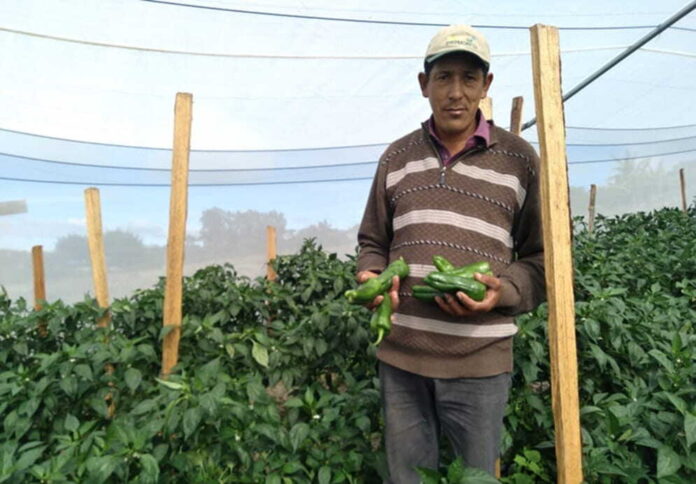
Evidence suggests the initiative yields real ecological gains in targeted micro-watersheds. For instance, every hectare restored can generate $1,140 in added revenue for local economies, supporting resilience against deforestation [3]. In Honduras’ Santa Inés micro-watershed, agroforestry systems like Quesungual have conserved native trees, reduced erosion, and boosted productivity, enabling 2,400 pounds of monthly sweet pepper yields through drip irrigation and protected tunnels [1]. Similarly, Peru’s watershed conservation programs, backed by $13.9 million in annual green infrastructure investments across 28 initiatives, have enhanced soil health and water retention [6][7].
Expert analyses reinforce these benefits. UNDP reports emphasize ecosystem restoration’s role in sequestering carbon and regulating floods while creating jobs, especially when respecting indigenous rights [G4]. Recent X discussions highlight success stories, such as Peru’s Amazon projects generating over 680 local jobs [G20], aligning with 2025 trends toward community empowerment. In Ecuador, Climate and Care Initiative-funded projects, like the Cariacu river restoration led by indigenous women, integrate equity and climate goals, offering up to $50,000 per project [2].
Criticisms: Greenwashing and Corporate Exploitation
Despite successes, the initiative faces accusations of masking corporate exploitation. Critics argue that corporate funding, often tied to emission offsets, may promote monoculture plantations that deplete biodiversity and soil over time [G1][G7][G8]. A 2025 Sustainability Directory analysis warns of long-term drawbacks, including water depletion and reduced ecosystem resilience [G5]. In Latin America, overlooked ecosystems like páramos risk displacement under reforestation drives, potentially conflicting with indigenous territories [G9][G10].
Social media sentiment on social media echoes these concerns, labeling similar efforts as “jardinería de lujo” with high ecological footprints [G16]. Expert perspectives from a Frontiers article critique monoculture dependency, advocating for diverse agroforestry to combat climate risks [G3][G11]. Moreover, populist regimes in the region challenge conservation by prioritizing extractive industries, raising fears of greenwashing where restoration serves agribusiness interests [from news results]. Degrowth advocates argue this perpetuates unsustainable economies, displacing communities without addressing root causes like mining and logging [G2].
Emerging Trends and Constructive Solutions
2025 trends point toward balanced, biodiversity-focused approaches. Integrated agroforestry, as seen in Honduras’ Justa stoves reducing firewood use [1], and blockchain apps enabling farmers to earn from native forest revival [from news results], offer scalable solutions. Initiative 20×20’s 2024-2030 strategy emphasizes policy, financing, and equity to restore multifunctional landscapes [4], while IDB reports on nature-based solutions in watersheds like Bolivia’s Rio Rocha call for ramped-up investments without exploitation [5].
Experts propose “degrowth-aligned metrics” to measure success beyond carbon offsets, focusing on local autonomy and reduced consumption [Planet Keeper analysis]. Collaborative models, such as Chile’s restoration emphasizing indigenous partnerships [G2][G10], and wildfire recovery efforts in RESTAURacción [8][9] provide blueprints. Mexico’s 2025-2030 deforestation plan, aiming to strengthen governance [from web results], could integrate with Microcuencas for transparent, community-led outcomes. Independent audits and blockchain tracking are under study to prevent greenwashing [Planet Keeper insights].
KEY FIGURES
– Initiative 20×20 Strategy 2024-2030 aims to restore more than 50 million hectares in Latin America and the Caribbean{4}.
– An estimated 58% of greenhouse gas emissions in Latin America and the Caribbean come from forestry, land-use change, and agriculture{3}.
– Latin America lost 5.8 million hectares of tree cover in 2020{3}.
– Every hectare restored in Latin America can bring $1,140 in added revenue to local economies{3}.
– Annual investment by water operators in green infrastructure for watersheds estimated at US $13.9 million across 28 initiatives{6}.
– Six Peruvian water operators approved for US$28 million in green infrastructure investments over five years via ecosystem service tariffs{6}.
RECENT NEWS
– Initiative 20×20 releases Strategy 2024-2030 for restoring multifunctional landscapes, focusing on policy, financing, knowledge, and equity (February 2025, Initiative 20×20){4}.
– Climate and Care Initiative funds projects up to $50,000 each in Latin America, including micro-watershed restoration in Ecuador’s Cariacu river led by Indigenous women (2024-2025, Climate and Care Initiative){2}.
STUDIES AND REPORTS
– Strategy Initiative 20×20 2024-2030: Collaborative tool to restore 50M+ hectares, emphasizing climate resilience via policy and equity; no direct criticism of greenwashing noted (Source: initiative20x20.org/publications){4}.
– Nature-Based Solutions in Latin America and the Caribbean: NBS projects restore forests and watersheds like Rio Rocha Basin in Bolivia; calls for ramped-up investment without exploitation concerns (Source: publications.iadb.org){5}.
– Green Infrastructure in Drinking Water Sector: Documents $13.9M annual investments in watershed protection; highlights threats like deforestation but praises incentives (Source: forest-trends.org){6}.
– Impacts of Watershed Conservation in Moyobamba, Peru: Incentive programs show positive land cover effects but elevated per-hectare costs; benefits household wellbeing (Source: journals.plos.org/plosone){7}.
– Healing the Wounded Land (2022): Evaluates public incentives in six countries for scaling restoration; supports farmer payments (Source: initiative20x20.org/publications){4}.
TECHNOLOGICAL DEVELOPMENTS
– “Quesungual” agroforestry system: Conserves native trees, reduces erosion, boosts productivity; developed 25+ years ago by FAO in Honduras{1}.
– Improved stoves (“Justa”): Reduce firewood use, deforestation, and improve indoor air quality in rural Honduras{1}.
– Drip irrigation, protected macro-tunnels, and water reservoirs: Enable 2,400 lbs monthly sweet pepper production in Santa Inés micro-watershed{1}.