



Introduction
The Sea of Stars Coral Restoration project represents a bold intersection of luxury hospitality, marine science, and environmental activism in the Maldives. Initiated in 2025 by W Maldives, it leverages Mars Sustainable Solutions’ Reef Star technology—hexagonal steel structures coated in coral sand—to anchor and grow coral fragments [1][2][4]. Globally, coral reefs face existential threats: more than half have disappeared in the past 30 years, with up to 90% at risk by 2050 due to warming oceans and acidification [4][G4]. In the Maldives, where reefs support tourism and coastal protection, Sea of Stars aims to reverse local damage through community involvement and high-tech interventions. However, experts warn that while such projects boost short-term recovery, they cannot offset broader climate drivers without systemic reforms [G1][G12].
Overview of Reef Star Technology and Implementation
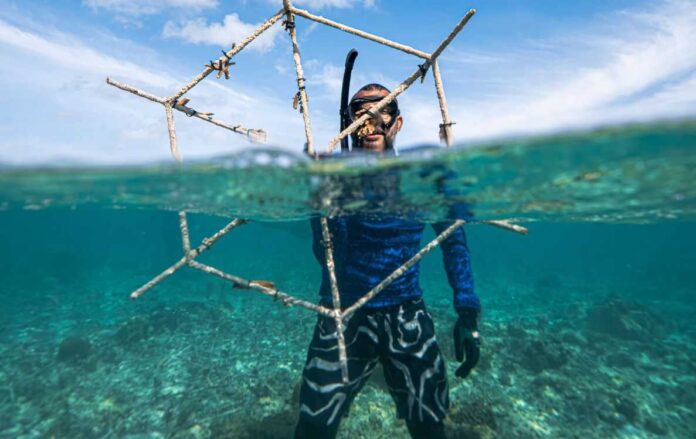
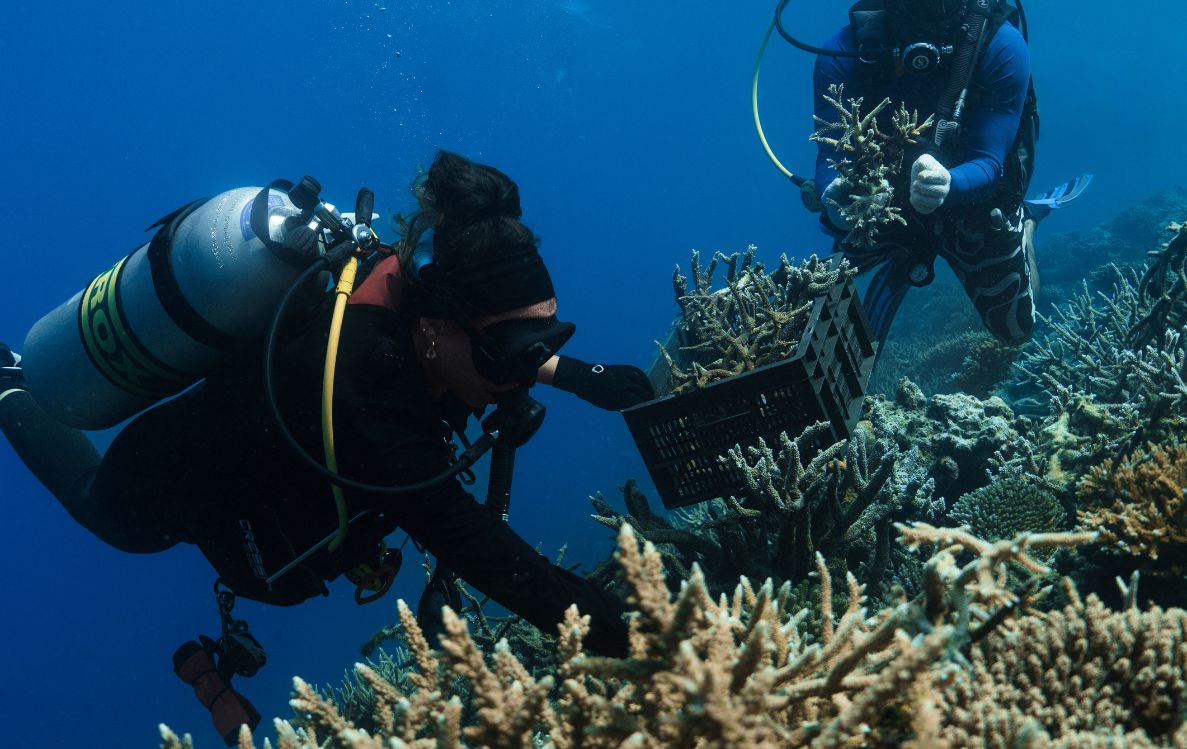
Reef Star technology is central to Sea of Stars, consisting of modular, six-legged frames that provide stable substrates for coral attachment, accelerating growth in damaged areas [3][4][7]. In October 2025, W Maldives installed 400 Reef Stars and 6,000 coral fragments on their house reef, marking one of the largest such efforts in the Maldives [1][2][6]. This builds on Mars’ global program, which has deployed over 87,000 Reef Stars and planted 1.3 million fragments across 72 sites in 12 countries [4]. The initiative integrates guest participation, real-time monitoring, and sustainability measures like solar energy and waste management, fostering ocean stewardship in tourism [1][2]. Comparable efforts, such as NOAA’s in Florida, use larval bioprinting and heat-tolerant breeding to enhance resilience post-bleaching [5][G5].
Positive Impacts on Coral and Biodiversity Recovery
Success stories from Sea of Stars and similar projects highlight measurable gains. At Mars’ Hope Reef in Indonesia, Reef Stars increased coral cover from under 5% to over 70%, with fish species diversity rising by 58% within four years [4][3]. In the Maldives, early monitoring suggests enhanced habitat restoration, supporting local fisheries and tourism [2][G8]. A 2024 Current Biology study praised the method for promoting genetic diversity and community-led deployment, avoiding “scientific colonialism” and building long-term resilience [3]. Experts note that these interventions provide coastal buffering and economic value, with NOAA reporting restored reefs generating millions in benefits [G5][G13]. on social media, positive sentiments from users like Maldives Insider celebrate biodiversity rebounds, positioning Sea of Stars as a model for hybrid conservation [G8].
Criticisms and Greenwashing Concerns
Despite accolades, critics argue Sea of Stars risks greenwashing, where corporate PR overshadows root causes like fossil fuel emissions and overfishing [G4][G9]. A Mongabay analysis warns restoration cannot scale globally to match reef losses, with over a third of projects failing [G4][G12]. Ecological risks, such as invasive species from lab-grown corals, are flagged in studies, emphasizing the need for balanced ecosystems [G9][G10]. From a degrowth perspective, X discussions critique how luxury tourism-linked efforts distract from reducing consumption [G15][G20]. Experts like those in Nature Ecology & Evolution assert that high-tech fixes are insufficient against warming, labeling them illusions without emissions cuts [G12][G1]. In the Maldives context, corporate ties to emission-heavy industries raise equity concerns, potentially limiting access to broader communities [G4].
Alternative Approaches and Constructive Solutions
Balancing critiques, alternatives offer complementary paths. Community-led low-tech methods, like rubble stabilization and marine protected areas (MPAs), emphasize local governance and cost-effectiveness [G2][G6][G13]. USGS studies show optimized restoration in MPAs counters sea-level rise, while hybrids integrating Reef Stars with emissions reductions show promise [G13][G7]. NOAA’s focus on genetic breeding for heat-tolerant corals provides a blueprint for future-proofing reefs [5][G5]. Emerging trends advocate “layering solutions,” combining tech with policy reforms like carbon offsets and overfishing bans [G1][G11]. Experts suggest binding commitments from resorts, such as degrowth strategies, to turn projects like Sea of Stars into genuine catalysts [G4][G20].
KEY FIGURES
- Over 87,000 Reef Stars deployed globally, with more than 1.3 million coral fragments planted across 72 reef sites in 12 countries and five continents by MARS Sustainable Solutions (Mars Coral Reef Restoration Program) [4].
- At Hope Reef in Indonesia, Reef Stars helped increase coral cover from under 5% to over 70%, and fish species diversity rose by 58% according to MARS monitoring data [4].
- Globally, more than half of the world’s coral reefs have disappeared in the past 30 years, with up to 90% at risk by 2050 due to climate change and human impacts [4].
RECENT NEWS
- In October 2025, W Maldives completed installation of 400 Reef Stars and 6,000 coral fragments on their house reef, marking one of the Maldives’ largest coral restoration projects to date, in partnership with MARS Sustainable Solutions [1][2][4][6].
- The Sea of Stars initiative combines guest participation, marine science, and hospitality to foster long-term reef restoration and ocean stewardship at luxury resorts like W Maldives [1][2].
- The project is part of a broader sustainability strategy including solar energy, biogas, and waste management improvements, aiming to make island ecosystems more environmentally conscious [2][4].
- NOAA and partners launched next-generation coral restoration efforts in Florida post-2023 bleaching, incorporating coral spawning, larval bioprinting, and breeding heat-tolerant corals to boost reef resilience [5].
STUDIES AND REPORTS
- A 2024 study published in Current Biology evaluated the Mars Coral Reef Restoration Program’s “reef star” method in Indonesia, showing reefs severely damaged by dynamite fishing regained substantial coral cover and biodiversity within 4 years. The approach emphasized genetic and species diversity to build resilient reefs [3].
- The Mars program’s community-based model, involving local stakeholders in construction, deployment, and monitoring, avoids “scientific colonialism” and enhances local ownership and sustainability of restoration efforts [3].
- Monitoring data from Mars’ flagship Hope Reef site indicate that reef stars provide surfaces for coral attachment and accelerate reef ecosystem recovery, but the approach requires ongoing scientific input and adaptive management to ensure ecological balance [3][4].
- NOAA’s Mission: Iconic Reefs initiative focuses on genetic diversity and thermal tolerance for future reefs, highlighting the importance of breeding corals that survive warming and bleaching events [5].
TECHNOLOGICAL DEVELOPMENTS
- Reef Star: A hexagonal, six-legged steel structure coated with coral sand to anchor coral fragments, facilitating rapid coral growth and reef community reestablishment. It supports coral diversity and fish habitat restoration [3][4].
- Larval Bioprinting and Hydrogel Embedding: Used by NOAA to increase coral larvae settlement and survival by embedding larvae, algae, and bacteria in protective hydrogels, coupled with rearing corals in elevated temperatures to enhance heat tolerance [5].
- Use of underwater nurseries and genetic breeding to rear corals adapted to warmer, more acidic oceans, aiming to future-proof reefs against climate change impacts [5].
- The Sea of Stars project integrates guest involvement and real-time monitoring technologies to engage communities and track restoration progress [1][2].
MAIN SOURCES
-
- https://travmedia.com/showPRPreview/100114908 – Sea of Stars Coral Restoration project at W Maldives; reef star installation and guest involvement {1}
-
- https://www.traveltrademaldives.com/sea-of-stars-ignites-a-new-wave-of-coral-restoration-leadership-at-w-maldives/ – Detailed report on W Maldives coral restoration and sustainability strategy {2}
-
- https://www.theinvadingsea.com/2024/04/02/coral-reef-stars-restoration-indonesia-spermonde-archipelago-climate-change-mars-program/ – Scientific study and analysis of Mars Reef Stars program success in Indonesia {3}
-
- https://www.buildingcoral.com/news/a-new-partnership-for-coral-restoration-in-the-maldives-2 – Overview of Mars Sustainable Solutions’ coral restoration impact and W Maldives partnership {4}
-
- https://www.fisheries.noaa.gov/feature-story/noaa-and-partners-launch-next-generation-coral-restoration-following-florida-coral – NOAA’s coral restoration innovations post-2023 bleaching event {5}
-
- https://travmedia.com/showPRPreview/100113532 – Preview of Sea of Stars coral restoration event and fragment outplanting {6}
-
- https://koolina.com/press/coral-reef-project-premiere-party/ – Description of Reef Star technology used in Hawaiʻi coral restoration projects {7}
—
The Sea of Stars Coral Restoration project, leveraging Mars Sustainable Solutions’ Reef Star technology, has demonstrated measurable coral and biodiversity recovery in pilot sites like the Maldives and Indonesia, involving local communities and guests. However, scientific literature and expert commentary emphasize that while such high-tech restoration methods can boost reef resilience and biodiversity locally, they do not tackle root causes such as fossil fuel emissions, ocean warming, and acidification, which threaten reefs globally. Critics argue that restoration projects risk becoming feel-good corporate greenwashing if they distract from urgent systemic changes like reducing carbon emissions, overfishing, and industrial pollution.
The project’s success depends heavily on long-term monitoring, local stakeholder engagement, and integration with broader climate action. Alternative or complementary approaches include marine protected areas, community-led low-tech restoration, and policy-driven emissions reductions. NOAA’s parallel efforts reflect the need for genetic diversity and climate-adapted corals to support future reef survival.
In sum, Sea of Stars offers a promising but partial lifeline, enhancing reef recovery and awareness but insufficient alone to halt reef decline without systemic climate and environmental reforms. Its corporate backing and luxury tourism integration raise valid questions about potential greenwashing, yet the transparent community partnerships and peer-reviewed results support its scientific credibility as part of a multi-pronged coral conservation strategy.