



Introduction
Vineyards across Switzerland and Europe are renowned for producing some of the world’s finest wines. However, the conventional methods used in viticulture, particularly the application of chemical treatments, have come under scrutiny for their environmental impact. As the world becomes more aware of the importance of sustainable practices, the wine industry is facing pressure to adapt and reduce its reliance on chemicals.
The Role of Chemicals in Viticulture
Chemical treatments in vineyards primarily include pesticides, herbicides, and fertilizers. These substances are used to protect vines from pests, diseases, and to enhance growth. While effective in increasing yield and maintaining the health of the vines, these chemicals can have detrimental effects on the environment. They can lead to soil degradation, water pollution, and harm to non-target species, including beneficial insects and local wildlife.
Environmental Impact of Vineyard Chemicals
The environmental consequences of chemical use in viticulture are significant. Pesticides and herbicides can leach into the soil and water systems, leading to contamination that affects both terrestrial and aquatic ecosystems. This contamination can persist for years, impacting biodiversity and the health of ecosystems. Furthermore, the overuse of fertilizers can result in nutrient runoff, contributing to eutrophication in nearby water bodies, which depletes oxygen levels and can lead to dead zones.
Case Study: Switzerland’s Approach
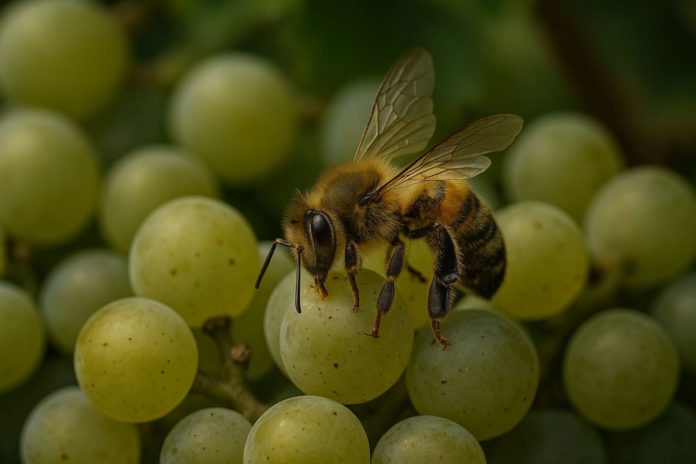
Switzerland, renowned for its commitment to environmental sustainability, has been at the forefront of efforts to reduce chemical use in agriculture. Swiss vineyards are increasingly adopting integrated pest management (IPM) and organic farming practices. These methods emphasize the use of natural pest control techniques, such as introducing beneficial insects, and reducing chemical inputs. The Swiss government supports these initiatives through subsidies and research programs aimed at promoting sustainable viticulture.
European Trends in Sustainable Viticulture
Across Europe, there is a growing movement towards sustainable viticulture. Countries like France, Italy, and Spain have seen an increase in vineyards transitioning to organic and biodynamic farming. These practices focus on maintaining ecological balance and enhancing soil health without the use of synthetic chemicals. The European Union has also implemented strict regulations on pesticide use and provides funding for research into alternative pest control methods.
Challenges in Reducing Chemical Dependency
Despite the push for sustainability, reducing chemical dependency in vineyards is not without its challenges. Organic and biodynamic farming can be more labor-intensive and may result in lower yields compared to conventional methods. Additionally, there is a need for more research and innovation to develop effective natural alternatives to chemical treatments. Economic factors also play a role, as transitioning to sustainable practices can be costly for vineyard owners.
Potential Solutions and Innovations
Innovation is key to reducing the environmental impact of viticulture. Technological advancements, such as precision agriculture, can help farmers apply chemicals more efficiently, reducing waste and environmental harm. The development of resistant grape varieties through selective breeding and genetic research also holds promise. Additionally, increasing consumer demand for sustainably produced wines can drive the industry towards greener practices.
Conclusion
As the wine industry in Switzerland and Europe grapples with the environmental challenges posed by chemical treatments, there is a clear need for a shift towards more sustainable practices. By embracing integrated pest management, organic farming, and innovative technologies, vineyards can reduce their ecological footprint while still producing high-quality wines. The journey towards sustainability in viticulture is complex, but the potential benefits for the environment and future generations make it a worthwhile endeavor.


