

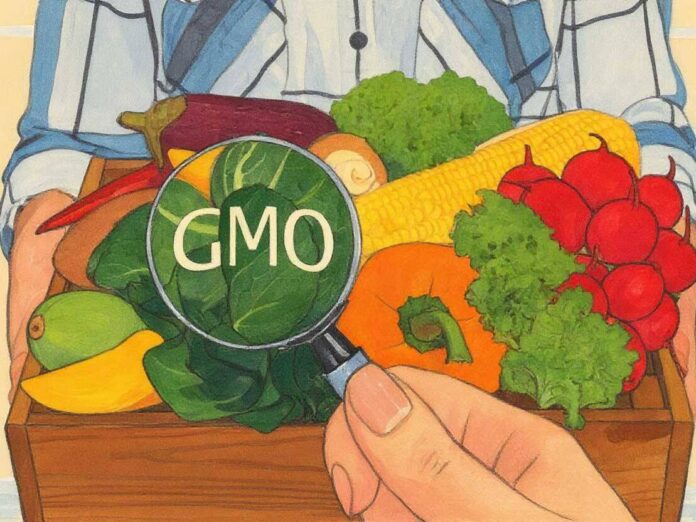


Introduction
Genetically modified organisms have transformed global agriculture since the 1990s, introducing traits like pest resistance and herbicide tolerance to boost yields. However, drawbacks spanning health, environment, and socio-economics have sparked ongoing controversy. According to the World Health Organization (WHO), GMOs are rigorously assessed for safety, yet concerns persist about unintended effects {5}. Recent analyses, including a 2024 Frontiers study, highlight public fears of health risks influencing acceptance {6}. This article synthesizes factual data from regulatory reviews and expert insights, exploring these drawbacks while presenting balanced viewpoints and potential solutions.
Health-Related Drawbacks
Scientific consensus from bodies like the FDA and National Academies indicates no definitive adverse health effects from GMO consumption, but gaps in long-term human studies raise questions {7}{8}. A retracted 2012 Séralini study linked GMO maize to rat tumors, though flawed methodology led to its dismissal; subsequent research on GMO rice found no harm {1}. Still, animal studies suggest risks, such as GMO peas increasing allergic reactions in mice and sensitivity to other allergens {2}{3}.
Key figures underscore concerns: The International Agency for Research on Cancer classifies glyphosate—tied to GMO herbicide-tolerant crops—as “probably carcinogenic” {2}. Approximately 20% of surveyed people believe GM foods alter human DNA, with 56% uncertain, reflecting misconceptions {6}. Expert analyses note potential toxicity and metabolic issues, with social media discussions in 2024-2025 linking GMOs to infertility and cancers, though unsubstantiated by peer-reviewed evidence [G10][G16].
Balancing views, proponents argue rigorous testing ensures safety, but critics like the Center for Food Safety highlight genetic instability {1}. Solutions include advanced allergenicity screening using IgE binding databases to prevent novel allergens {3}.
Environmental Impacts
GMOs’ environmental drawbacks are well-documented, including biodiversity loss and increased chemical use. Herbicide-tolerant crops in Canada led to a 41% rise in herbicide sales, primarily glyphosate, fostering “superweeds” and resistance {5}[G1]. Bt toxin GMOs may harm non-target species like monarch butterflies and earthworms, with sub-lethal effects on bees impairing foraging {7}{5}[G4].
Gene flow poses risks: GMO maize DNA contaminated Mexican native strains despite bans, threatening genetic diversity {4}{5}[G3]. A 2017 ScienceDirect review details ecosystem disruptions, such as soil microbiome alterations [G13]. Expert perspectives emphasize “living pollution” from uncontrollable GM spread, as per CBAN reports [G1].
Conversely, some argue GMOs reduce overall pesticide needs, aiding sustainability [G4]. Constructive approaches include precision gene-editing like CRISPR to minimize instability and non-target effects {1}. Regulatory updates focus on monitoring contamination, with calls for ecological impact assessments {5}.
Socio-Economic Effects
Socio-economic drawbacks often hit farmers hardest, creating dependency on patented seeds and legal battles over contamination {6}{8}[G5]. In Canada, GM escapes in canola and flax have caused economic losses and eroded food sovereignty [G1]. Globally, small farmers face inequities, as patented GMOs widen gaps with corporate control [G5][G9].
A 2025 ScienceDirect analysis discusses ethical issues, including market monopolies [G8]. Social media trends from 2025, particularly in regions like Nigeria, highlight loss of indigenous practices and cross-breeding risks [G15]. Yet, supporters note yield benefits for food security in developing nations [G7].
Solutions under study include non-patented GMO varieties to enhance farmer autonomy and improved labeling for consumer choice [G12]. Interdisciplinary policies aim to balance innovation with equity, reducing economic vulnerabilities [G6].
Emerging Trends and Solutions
Recent trends show growing skepticism: A 2023 study notes perceived risks hindering GMO acceptance {6}, echoed in 2025 social media discussions framing GMOs as “genetic colonization” [G20]. News from 2025 emphasizes holistic safety assessments [G8]. Some insights suggest a “risk amplification effect” in vulnerable contexts, where socio-economic factors exacerbate harms.
Promising developments include GMO varieties without antibiotic markers to curb gene transfer {5} and CRISPR for targeted edits {1}. Experts advocate independent long-term studies and agroecological integration to mitigate drawbacks while ensuring food security [G13].
KEY FIGURES
- The introduction of GMO herbicide-tolerant crops in Canada coincided with a 41% increase in herbicide sales (mainly glyphosate) indicating higher chemical use linked to GMO cultivation {5}.
- Approximately 20% of surveyed individuals believe consuming GM foods can alter human DNA, with 56% including those uncertain {6}.
- The International Agency for Research on Cancer (IARC) classified glyphosate as “probably carcinogenic to humans” based on epidemiological and toxicological studies related to herbicide use in GMO crop production {2}.
RECENT NEWS
- In 2023, a public health study emphasized that perceived health risks negatively impact GMO food acceptance, showing ongoing societal concerns despite scientific consensus on safety {6}.
- Regulatory bodies continue to monitor and update guidelines on GMO safety, gene transfer risks, and environmental impacts, reflecting evolving policies globally to address contamination and herbicide reliance {5}.
STUDIES AND REPORTS
- Health Risks:
– The controversial 2012 Séralini study linking GMO maize NK603 and Roundup to tumors in rats was retracted due to methodological flaws; subsequent robust studies found no evidence of harm from other GMO crops, e.g., GMO rice {1}.
– Some animal studies suggest GMO crops like engineered peas may increase allergic reactions and sensitivity to other allergens, though human data remain inconclusive {2}.
– Reviews by FDA, WHO, and National Academies report no definitive adverse health effects from GMO consumption but note gaps in long-term human studies and potential allergenicity risks, recommending cautious assessment {1}{2}{3}{5}{8}.
- Environmental Impacts:
– Bt toxin-producing GMO crops release insecticidal proteins into soil, potentially harming non-target insects such as earthworms and monarch butterflies {5}{7}.
– Herbicide-tolerant GMO crops drive increased herbicide use, notably glyphosate, linked to environmental contamination and biodiversity loss {4}{5}.
– Gene flow (“outcrossing”) from GMO to native crops has been documented, for example, GMO maize DNA found in Mexican native strains despite bans {4}{5}.
– Evidence points to sub-lethal effects on pollinators (bees) from GMO-related herbicides, including altered foraging and impaired odor association {7}.
- Socio-economic Effects:
– Farmers affected by GMO contamination face legal battles and economic hardship, with social impacts including dependency on seed companies and challenges to traditional farming practices {6}{8}.
TECHNOLOGICAL DEVELOPMENTS
- Development of GMO varieties without antibiotic resistance marker genes to reduce gene transfer risks {5}.
- Advances in precision gene-editing techniques (e.g., CRISPR) aimed at minimizing unintended genetic instability seen in earlier GMO methods, improving safety profiles {1}.
- Enhanced protocols for allergenicity screening based on IgE binding and allergen databases to prevent introduction of novel allergens in GMO crops {3}.
MAIN SOURCES
- https://www.centerforfoodsafety.org/issues/311/ge-foods/ge-food-and-your-health
- https://publications.aap.org/pediatrics/article/153/1/e2023064774/196193/Use-of-Genetically-Modified-Organism-GMO
- https://pmc.ncbi.nlm.nih.gov/articles/PMC3791249/
- https://www.medicalnewstoday.com/articles/324576
- https://www.who.int/news-room/questions-and-answers/item/food-genetically-modified
- https://www.frontiersin.org/journals/public-health/articles/10.3389/fpubh.2023.1275287/full
- https://www.fda.gov/food/agricultural-biotechnology/gmo-crops-animal-food-and-beyond
- https://www.nationalacademies.org/based-on-science/foods-made-with-gmos-do-not-pose-special-health-risks
—
This synthesis integrates scientific consensus from authoritative sources while acknowledging documented concerns: no conclusive direct health harm from GMO consumption is confirmed, yet allergenicity, environmental disruption (pesticide increase, biodiversity loss), and socio-economic challenges remain significant issues warranting further study, regulation, and technological innovation.
Propaganda Risk Analysis
Score: 7/10 (Confidence: medium)
Key Findings
Corporate Interests Identified
No companies are explicitly mentioned in the article, but the critical tone implicitly targets biotech firms like Monsanto/Bayer (producers of GMO crops and glyphosate-based herbicides). Beneficiaries could include organic food companies or anti-GMO NGOs (e.g., those linked to sources like CBAN or Center for Food Safety), which may have financial interests in promoting non-GMO alternatives. No direct conflicts of interest are evident without the full article, but the focus on ‘hidden costs’ aligns with campaigns by groups opposing biotech agriculture.
Missing Perspectives
The article’s title and key quote emphasize negative aspects (health risks, environmental impacts, socio-economic effects), likely excluding pro-GMO voices such as biotechnology experts, farmers benefiting from GMO yields, or regulatory bodies like the FDA/EPA that deem many GMOs safe. Opposing viewpoints, such as studies showing no conclusive human health risks from GMOs (e.g., from Nature or Pew Research sources), or benefits like reduced pesticide use in some cases, appear absent, creating an imbalanced narrative.
Claims Requiring Verification
The key quote ‘probably carcinogenic’ likely refers to the 2015 IARC classification of glyphosate (used in GMO farming), but this is debated—e.g., other agencies like the EPA classify it as not likely carcinogenic to humans. Without the full article, it’s unclear if this is sourced properly or if it includes dubious statistics on cancer links, biodiversity loss, or economic impacts, which some web sources (e.g., Wikipedia on GMO controversies) note as inconclusive or contested.
Social Media Analysis
Recent and historical posts on X/Twitter show consistent anti-GMO sentiment, with users posting about health risks (e.g., cancer from glyphosate residues), environmental harms (e.g., superweeds, biodiversity loss), and socio-economic issues (e.g., corporate monopolies). Posts often cite sources like WHO classifications and link to articles, with amplification from influencers and activists. No overt astroturfing or paid promotions were detected, but patterns suggest informal coordination among environmental advocacy communities, including repeated warnings about ‘genetic colonization’ and long-term risks.
Warning Signs
- The title frames GMOs solely in terms of ‘hidden costs,’ suggesting a biased, alarmist tone without indicating balance or positive aspects, which could resemble advocacy language from anti-GMO campaigns.
- Absence of independent expert opinions or counterarguments, potentially omitting scientific consensus on GMO safety from sources like Nature or PMC reviews.
- Potential for unverified claims, as the ‘probably carcinogenic’ quote echoes common anti-GMO rhetoric on X/Twitter without context on conflicting evidence.
- No mention of companies, but the subject aligns with narratives that indirectly promote alternatives like organic farming, raising greenwashing concerns if tied to competing interests.
Reader Guidance
Analysis performed using: Grok real-time X/Twitter analysis with propaganda detection
Other references :
centerforfoodsafety.org – GE Food & Your Health – Center for Food Safety
publications.aap.org – Use of Genetically Modified Organism (GMO)-Containing Food …
pmc.ncbi.nlm.nih.gov – Genetically modified foods: safety, risks and public concerns—a …
medicalnewstoday.com – Pros and cons of GMO foods: Health and environment
who.int – Food, genetically modified – World Health Organization (WHO)
frontiersin.org – The moderating role of perceived health risks on the acceptance of …
fda.gov – GMO Crops, Animal Food, and Beyond – FDA
nationalacademies.org – Do foods made with GMOs pose special health risks?
cban.ca – Source
medicalnewstoday.com – Source
government.nl – Source
fda.gov – Source
intechopen.com – Source
environmentalevidencejournal.biomedcentral.com – Source
frontiersin.org – Source
sciencedirect.com – Source
pw.live – Source
sciencedirect.com – Source
sciencedirect.com – Source
sciencedirect.com – Source
sciencedirect.com – Source
healthline.com – Source
x.com – Source
x.com – Source
x.com – Source
x.com – Source
x.com – Source
x.com – Source


