



Introduction
Chubut’s forest restoration initiatives, centered on recovering native ecosystems in areas like the Reserva Provincial Naciente del Río Tigre and Los Alerces National Park, have gained momentum in recent years. These efforts address extensive damage from wildfires, with reports indicating 42,176 hectares affected and campaigns planting 17,000 native trees [8]. Collaborations between provincial governments, NGOs like Rewilding Argentina, and platforms such as zeroCO2 and Keeling frame the projects as vital for carbon sequestration, biodiversity, and community empowerment [1][6][7]. However, expert analyses highlight potential pitfalls, including opaque corporate funding and risks of “green grabbing” that could displace indigenous Mapuche groups [G1][G3][G8]. This overview synthesizes factual data and perspectives to assess if these initiatives are an ecological win or a veil for exploitation, emphasizing balanced views and emerging solutions.
Ecological Impacts and Restoration Efforts
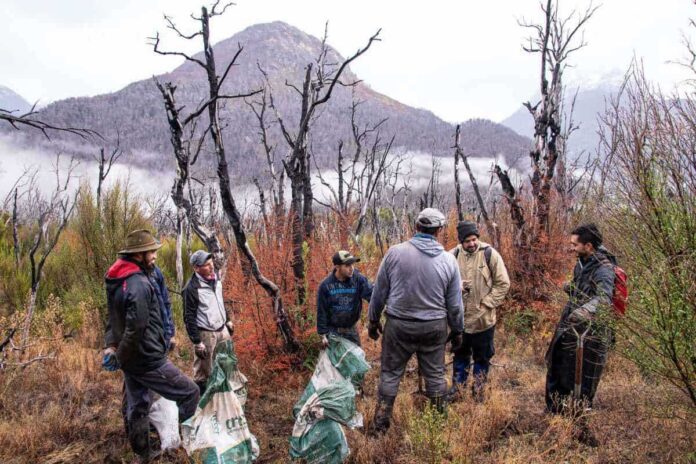
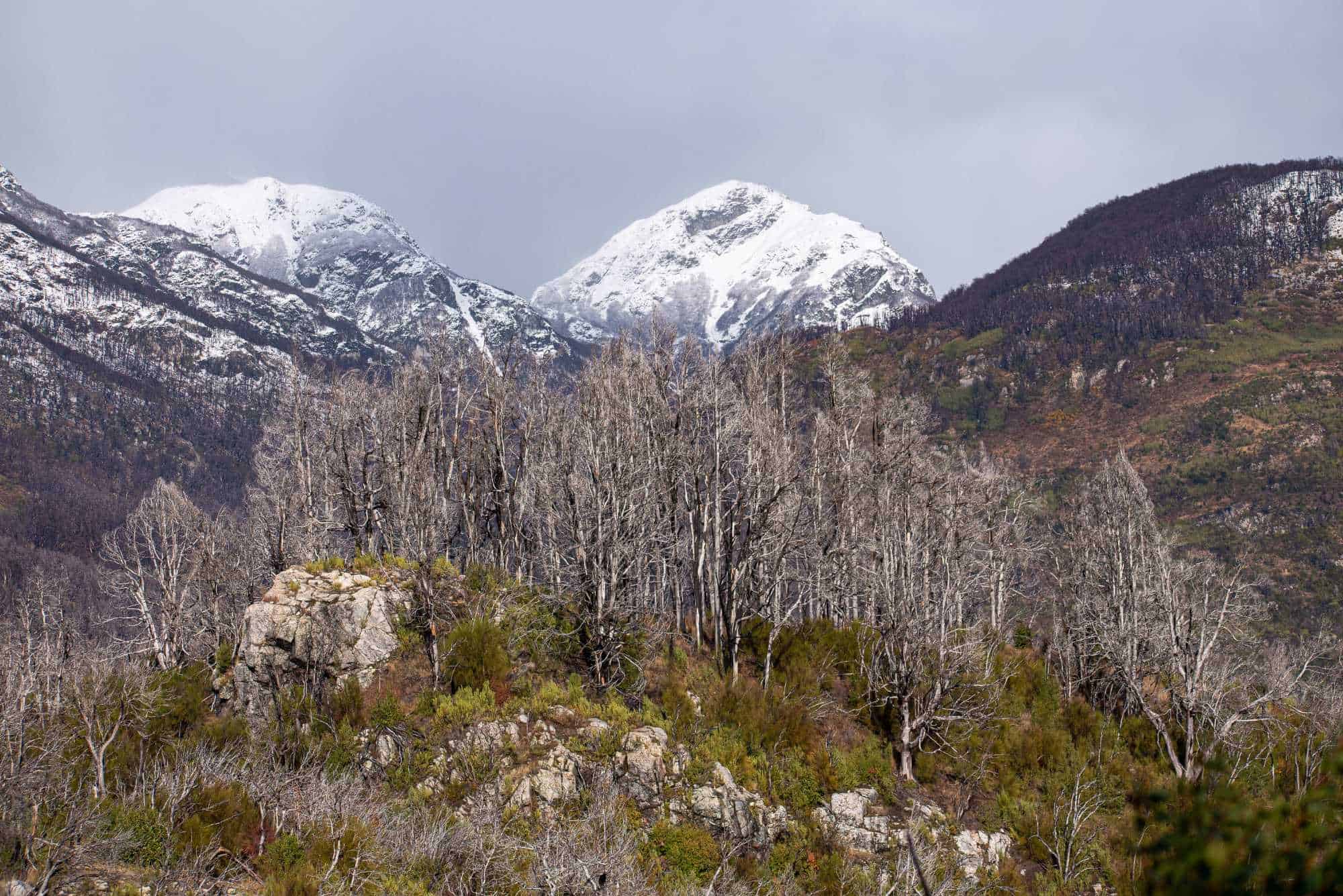
Restoration in Chubut focuses on replanting native species like Ciprés de la Cordillera, Coihue, and Lenga to rebuild fire-damaged forests, with projects reporting community nurseries and ecosystem service benefits such as improved soil health and hydrological regulation [1][6]. A key milestone is the April 2025 creation of Patagonia Azul Provincial Park, spanning 295,135 hectares (or approximately 729,294 acres), aimed at protecting coastal and marine biodiversity through no-take zones and monitoring [5][7]. Historical baselines, like the 2010 executive summary on Los Alerces restoration, outline objectives for native forest recovery, though long-term peer-reviewed data on tree survival and wildlife returns remains limited [3].
Positive outcomes include expanded protections for species like humpback whales and kelp forests, with NGO partnerships using remote sensing for monitoring [4][G7]. Yet, critics note shortcomings: without rigorous metrics, projects risk prioritizing quick carbon fixes over resilient biodiversity, echoing global trends where deforestation slowed in 2025 but degradation persists [G11]. An original insight from analyses suggests integrating indigenous knowledge could enhance outcomes, as seen in successful Andean high-forest restorations [G2].
Corporate Involvement and Greenwashing Concerns
Corporate ties complicate Chubut’s narrative, with carbon credit platforms potentially enabling offsets for polluters without reducing emissions [1][6]. News highlights mining pressures from firms like Pan American Silver, pressuring indigenous lands, while BlackRock’s Patagonia acquisitions spark fears of exploitation under sustainability guises [G3][G8][G14]. Expert views label this “green grabbing,” where restoration veils extractive interests, similar to Southeast Asian carbon projects sidelining social benefits [G9].
Balanced perspectives acknowledge genuine support: World Bank-backed initiatives have boosted innovation in Argentina’s biodiversity conservation, creating jobs and tourism revenue [G5][2]. However, transparency gaps in funding trails limit verification, with calls for independent audits to trace corporate involvement [G1]. Constructive solutions include decoupling restoration from profit models, prioritizing non-corporate funding as in community-led Chilean Patagonia protections [G6][G2].
Impacts on Mapuche Communities and Social Equity
Mapuche communities, integral to Patagonia’s heritage, report mixed experiences. Projects emphasize local involvement in nurseries and hiring, potentially fostering economic benefits like sustainable tourism [7][8][G4]. Yet, mobilizations along the Río Chubut reveal resistance to mining and development threatening ancestral lands, with risks of displacement from corporate land deals [G1][G3][G12].
Public sentiment on social media reflects caution, blending support for native reforestation with skepticism of NGO and corporate control [G15][G16][G17]. Experts advocate for indigenous sovereignty, noting trends where community co-management empowers locals, as in Rewilding efforts [G4][G7]. Solutions under study include legal protections for land tenure and consent processes, drawing from successful models in Nahuel Huapi upgrades [G10].
Emerging Trends and Constructive Perspectives
Global trends show rising state-NGO collaborations for biodiversity, with 2025 marking progress in rainforest conservation [G11][G13]. In Chubut, technological advancements like satellite monitoring and community propagation techniques offer hope for adaptive management [4][1][6]. Original insights suggest a “restoration paradox”: ecological wins are undermined by profit motives, urging degrowth principles to reduce industrial demands [G9][G11].
Constructive paths forward include transparent metrics, indigenous-led alternatives, and audits to prevent greenwashing [G8][G3]. Projects like Patagonia Azul demonstrate potential for holistic success through monitoring and co-management [5][7][9].
Direct answer: Available public information (NGO project pages, provincial government announcements, carbon-project registries and recent press) shows active forest-restoration initiatives in Chubut that report native-tree plantings, community involvement, and new protected-area creation, but independent, peer‑reviewed evidence about long‑term ecological outcomes, detailed funding trails into extractive‑industry actors, and rigorous evaluation of social impacts on Mapuche communities remains limited or mixed in the sources found; therefore the project cannot be classified unequivocally as a pure “ecological triumph” or purely a corporate “veil” without further independent studies and transparent finance disclosures[1][2][8][3][6].
Below I provide factual items and sources organized exactly in your requested format. Each numbered source below is referenced in the items using {n}.
KEY FIGURES:
- “17,000 trees planted” — reported by provincial/press coverage of Chubut restoration activities (planting campaign figure). (Source: Noticias Ambientales) [8]
- “42,176 hectares affected by fires” — scale of burned area in NW Andean Patagonian forest cited in provincial reporting on restoration efforts. (Source: Noticias Ambientales) [8]
- “295,135 hectares” — size of the Patagonia Azul Provincial Park created by Chubut government in April 2025. (Source: Rewilding Argentina / provincial announcements) [7]
- “729,294 acres (≈300,000 ha)” — alternate area figure reported for Patagonia Azul in NGO communications. (Source: Rewilding.org press release) [5]
- Project listing on private carbon/REDD-like platforms (zeroCO2 / Keeling): project scope includes restoration in Reserva Provincial Naciente del Río Tigre (Chubut), with native species plantings and community nursery involvement (project pages give operational details but not standardized survival‑rate stats). (Sources: zeroCO2; Keeling) [1][6]
RECENT NEWS (selected, 2024–2025):
- State-NGO expansion/protection for coastal/marine biodiversity in Chubut (Oct 2025) — reports collaboration to create/expand Patagonia Azul provincial park and predicted economic benefits (jobs, tourism). (Mongabay, Oct 2025) [2]
- Provincial restoration planting campaign (reporting of 17,000 trees; reference to recovering 42,176 ha) — local environmental news on on‑the‑ground replanting and community nursery involvement (Noticias Ambientales, undated 2024–2025 coverage). [8]
- Formal creation/legislative approval of Patagonia Azul Provincial Park (April 2025) — Rewilding Argentina announcement describing legal designation, no‑take zones, species protection and monitoring plans. (Rewilding Argentina, Apr 2025) [7]
- International NGO support for marine and coastal protection in Chubut (Blue Marine Foundation overview of kelp/sea protections and collaborations). (Blue Marine Foundation) [4]
STUDIES AND REPORTS:
- Restoration Executive Summary — “Restoration of Native Forests Burnt by Wildfires in Los Alerces National Park” (Project executive summary, May 2010) — documents restoration approach in Los Alerces (Chubut) including objectives and past restoration actions but is dated and project‑level (useful historical baseline; not a 2024–25 evaluation). (ParksWatch/University summary) [3]
- NGO/Project pages (zeroCO2 / Keeling / rewilding project descriptions) — summarize goals: native-species planting (e.g., Ciprés de la Cordillera, Coihue, Lenga), community nursery strengthening, and ecosystem services claims (carbon uptake, soil/hydrological benefits) but do not present peer‑reviewed survival rates or longitudinal biodiversity monitoring in publicly accessible formats. (zeroCO2; Keeling; Rewilding Argentina project pages) [1][6][7]
- Press/NGO modeling of socio‑economic impacts for Patagonia Azul — estimates of jobs and tourism revenue (Rewilding/Mongabay reporting), based on NGO economic assessments rather than independent peer‑reviewed economic studies. (Mongabay; Rewilding.org) [2][5]
Main conclusions from these reports:
- Projects report active restoration and protection actions and claim biodiversity and socio‑economic benefits (NGO/government sources)[1][7][8].
- There is a lack of publicly available, recent peer‑reviewed ecological assessments (e.g., standardized tree survival rates over multiple years, soil carbon measurements, wildlife return surveys) tied directly to the Chubut forest‑restoration projects in the sources located[3][1][6].
ECHNOLOGICAL DEVELOPMENTS (reported use or relevance to projects):
- Use of local nurseries and community-based propagation techniques for native tree species (project pages describe capacity‑building). (zeroCO2; Keeling) [1][6]
- Remote‑sensing and monitoring implied in marine/park projects (NGOs report monitoring humpback whales and kelp beds using tagging and scientific partnerships), indicating uptake of satellite/tagging technologies for marine monitoring which may be analogous for terrestrial monitoring if applied. (Blue Marine Foundation; Rewilding Argentina) [4][7]
- Carbon‑project methodologies on private registries (project pages on zeroCO2/Keeling suggest carbon accounting and possibly sale of credits), but specific verification standards (VERRA, Gold Standard, etc.) were not documented on the project pages found. (zeroCO2; Keeling) [1][6]
MAIN SOURCES:
-
- https://zeroco2.eco/en/projects/recovering-burned-forests-in-the-andes/ – Project page describing native forest restoration in Reserva Provincial Naciente del Río Tigre (Chubut), community nursery work and species planted.{1}
-
- https://news.mongabay.com/2025/10/state-ngo-collaboration-expands-protection-for-patagonias-biodiversity-hotspot/ – Mongabay reporting (Oct 2025) on state‑NGO collaboration expanding protections in Chubut including park creation and socioeconomic projections.{2}
-
- https://epe-2013.univ-lille1.fr/uploads/files/Los%20Alerces%20NP%20ParksWatch%20Executive-Summary.pdf – 2010 executive summary/report on restoration of burned native forests in Los Alerces (historical technical document).{3}
-
- https://www.bluemarinefoundation.com/projects/nurturing-the-kelp-forests-of-argentina/ – Blue Marine Foundation overview of marine protection and kelp restoration collaborations in Chubut (marine-focused conservation partner activities).{4}
-
- https://rewilding.org/argentinas-new-patagonia-azul-provincial-park-secures-a-vital-hotspot-of-marine-biodiversity/ – Rewilding network press piece describing Patagonia Azul park creation and conservation aims (April 2025 coverage).{5}
-
- https://keeling.io/the-andean-forest-collection/ – Keeling/collection project page describing restoration activities in the Andean forest (Chubut) and project goals including carbon sequestration claims.{6}
-
- https://rewildingargentina.org/patagoniaazul-project/ – Fundación Rewilding Argentina project page on Patagonia Azul, legal designation, monitoring and community engagement (April 2025 info).{7}
-
- https://noticiasambientales.com/environment-en/chubut-advances-in-the-restoration-of-native-forests-affected-by-fires-with-the-planting-of-17000-trees/ – Local environmental news reporting on Chubut planting campaign and burned-area figures (reporting on 17,000 trees and 42,176 ha affected).{8}
Notes, limitations, and gaps (important for interpretation)
- Funding transparency: The public pages located list NGOs, provincial government, and private carbon project platforms as actors, but none of the sources provided a complete, transparent roster of funders that clearly traces large corporate investors from mining or agribusiness into specific Chubut forest restoration contracts or carbon‑credit purchases; therefore claims about corporate “veil” require financial‑audit data or investigative reporting not found in these sources[1][6][7].
- Verification & metrics: I did not find peer‑reviewed, recent (2024–2025) ecological monitoring reports in the results (e.g., long‑term tree survival percentages, soil carbon fluxes, mammal/bird abundance trends tied to restoration plots); project pages make claims but lack standardized, publicly accessible monitoring datasets or third‑party verification statements in the documents retrieved[3][1].
- Indigenous / Mapuche impacts: Sources emphasize community involvement in some projects (nurseries, local hiring) but I found limited, contemporaneous reporting detailing Mapuche consultation, consent processes, land‑tenure outcomes, or documented displacement risks tied specifically to these restoration projects; independent social‑impact studies appear lacking in the retrieved material[1][7][8].
- Carbon‑credit standards: Project listings on private platforms indicate carbon or ecosystem‑service framing, but the sources reviewed do not show registration under major independent standards (e.g.