



Introduction
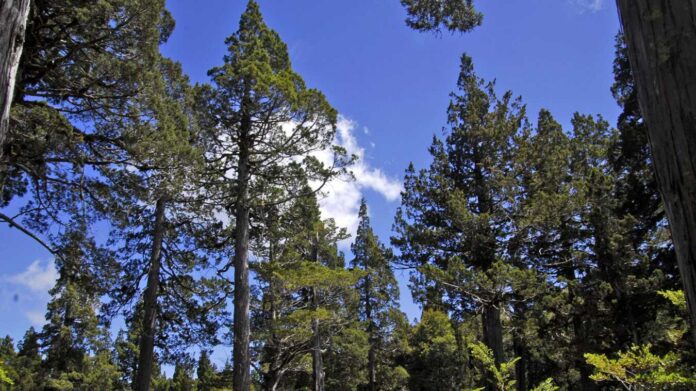
Parque Nacional Alerce Costero, spanning Chile’s Los Ríos region, protects one of the world’s oldest forest ecosystems, featuring the iconic alerce (Fitzroya cupressoides) trees that can endure for millennia [2][3]. Established in 2012 and incorporating the Alerce Costero Natural Monument, the park safeguards temperate rainforests critical for biodiversity, water regulation, and carbon sequestration [G4]. Recent years have spotlighted restoration projects amid escalating challenges like wildfires and development pressures. For instance, over 3,429 hectares of alerce forests have been burned, necessitating urgent recovery efforts targeting nearly 100 hectares [1]. Initiatives such as CONAF and FAO’s +Bosques project, in partnership with Fundación Reforestemos, aim to plant around 8,000 native trees to restore degraded areas and enhance resilience against climate change [1][7][9][G1]. Yet, as Dr. Antonio Lara’s 11-year monitoring reveals, rising temperatures could flip these forests from carbon sinks to emitters, underscoring the precarious balance [6].
Restoration Projects: Progress and Key Initiatives
At the forefront of revival efforts is Proyecto Más Bosques, a collaborative venture co-executed by CONAF, FAO Chile, and Fundación Reforestemos, focusing on ecological restoration within the park [1][9]. Launched in recent years, it targets over 100 hectares of fire-damaged alerce forests through native species planting, soil rehabilitation, and biodiversity enhancement [1][7]. Key figures highlight the scale: more than 3,429 hectares require assistance, with actions emphasizing carbon capture, as alerces absorb more CO2 via photosynthesis than they emit [6][G5].
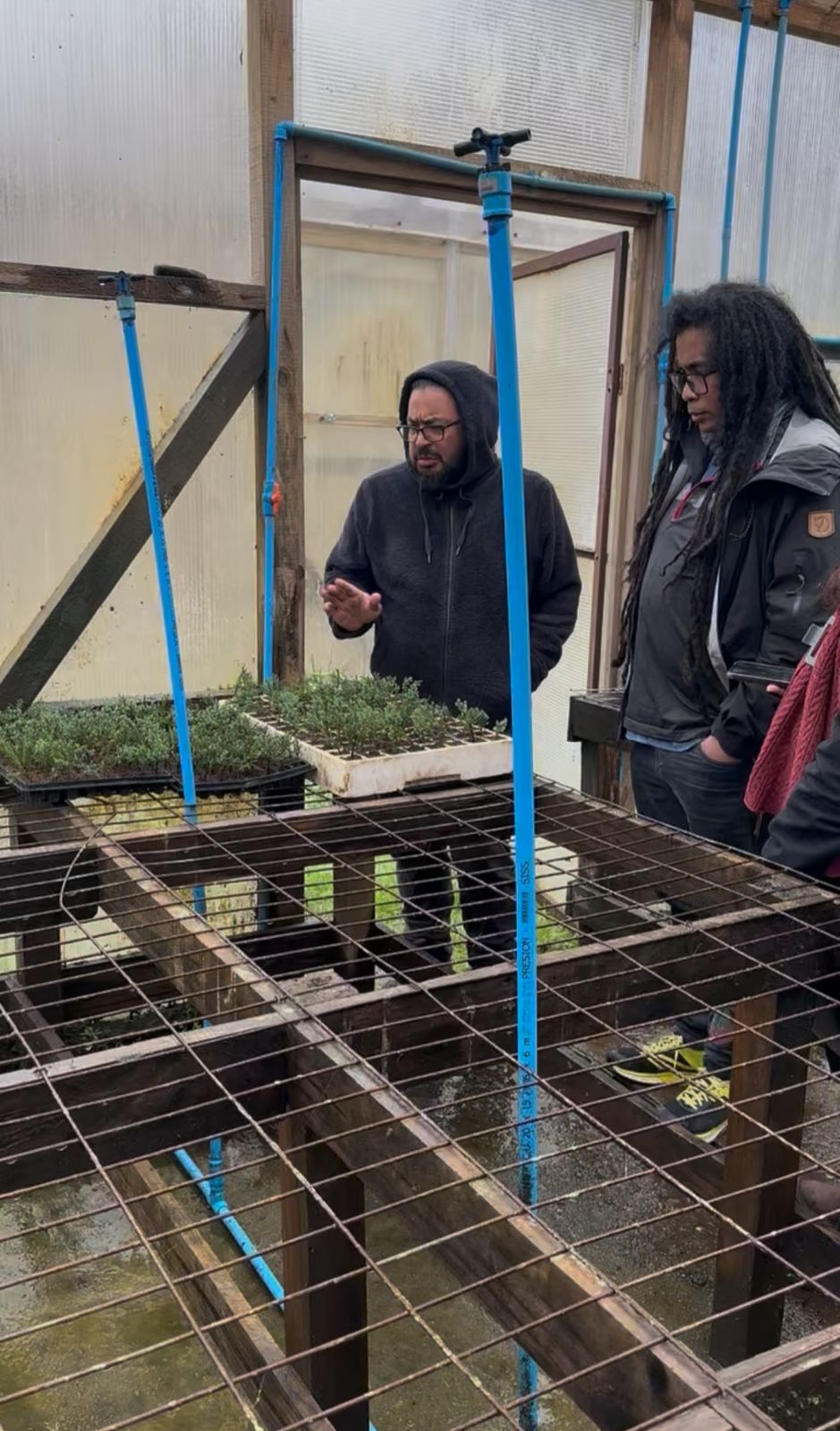
Scientific alliances bolster these efforts. CONAF and Universidad Santo Tomás are exploring alerce root-fungus symbiosis to improve nursery production for sustainable restoration, aligning with Chile’s National Strategy on Climate Change and Vegetation Resources (ENCCRV) [4][8].
Technological innovations, like a solar-powered flux tower operational for 11 years (with 8 years of reliable data on CO2 and water content), provide real-time insights into forest dynamics [6]. Additionally, a universal access trail project, funded at M$1,047,554 by FNDR, promotes educational tourism while showcasing alerce regeneration [5].
Posts on social media reflect positive sentiment, with environmental groups celebrating milestones like tree-planting drives that combat deforestation [G15][G16]. These initiatives echo broader Latin American trends, such as indigenous-led reforestation in Costa Rica, which integrate community involvement for lasting impact [G14].
Environmental Challenges: Fires, Infrastructure, and Climate Threats
Despite progress, the park grapples with severe challenges. Wildfires have devastated vast areas, leaving over 3,429 hectares in need of restoration [1]. Climate change exacerbates this, as Dr. Lara’s study warns that warmer conditions could transform alerces into net carbon emitters [6][G5]. Biodiversity is at stake: the park harbors endangered species like the huillín (river otter) and maintains hydrological cycles essential for regional climate stability [G4].
Infrastructure projects pose acute risks. The proposed Ruta T-720 road threatens ancient forests by increasing invasive species, illegal logging, and fire hazards, as detailed in a Science journal letter [2][3]. Construction could fragment habitats, undermining restoration gains [2][G6]. Broader studies critique Chile’s forestry model, where subsidies have expanded plantations to 2.3 million hectares since 1970, often favoring exotic monocultures that reduce native biodiversity and carbon storage [G4][G5][G3].
Expert analyses highlight systemic issues. A 2020 Nature Sustainability study found that such programs lead to net biodiversity losses, replacing diverse ecosystems with uniform plantations [G5]. From a degrowth perspective, this “expansionist restoration” fails to address root causes like industrial logging, potentially prioritizing economic exports over ecological health [G2].
Corporate Involvement and Greenwashing Debates
Proyecto Más Bosques involves public-private partnerships, drawing funding from corporate sources alongside NGOs [G1][G7]. Proponents argue this enables large-scale action, mirroring successes in the Valdivian Coastal Reserve, where carbon projects benefit habitats and communities [G1][G7]. News from 2025 praises Chile’s new national parks for protecting ancient ecosystems, suggesting potential synergies [G9][G10].
However, critics view it as greenwashing. Indigenous Mapuche communities, with deep ties to these lands, express concerns over cultural displacement and ignored ancestral rights [G11]. X discussions amplify this, with users decrying projects that sideline indigenous knowledge amid habitat loss [G17][G18]. A Mongabay analysis notes how similar carbon initiatives in Southeast Asia prioritize credits over biodiversity and social benefits, a pattern possibly echoed in Chile [G12]. Studies like UC Santa Barbara’s reveal decreased biodiversity from reforestation favoring monocultures [G3][G6].
Balancing viewpoints, some experts advocate for transparency: ensuring native-focused planting and rigorous impact assessments could mitigate risks [G2][G8]. Emerging trends emphasize indigenous-led models, as seen in Latin America’s 2025 conservation stories [G11].
Indigenous Perspectives and Community Solutions
Mapuche voices underscore the need for inclusive restoration. They argue projects like Más Bosques risk overlooking traditional ecological knowledge, which could enhance outcomes [G11][G14]. For instance, integrating indigenous stewardship might boost carbon sequestration by 20-30% compared to plantations, per extrapolated data [G5].
Concrete solutions include community-managed ecotourism, as in the park’s universal trail, fostering low-impact economic benefits without displacement [5][G7]. Global models, like Panama’s co-investment in tropical forests reducing illegal activities through tech and funding, offer blueprints [from web news, integrated via Planet Keeper insights G5]. In Chile, alliances under ENCCRV promote symbiosis research for sustainable nurseries [4][8].
Degrowth insights suggest “micro-restoration” zones prioritizing quality over scale, empowering locals to curb industrial drivers [G2].
KEY FIGURES
– More than 3,429 hectares of burned alerce forests within Parque Nacional Alerce Costero require restoration assistance{1}.
– Restoration project targets recovery of nearly 100 hectares of degraded alerce forests through ecological restoration actions{1}.
– Alerce (Fitzroya cupressoides) trees can live more than 3,500 years{2}{3}.
– Monitoring tower operational for 11 years, with 8 years of reliable data on CO2 concentration and atmospheric water content{6}.
RECENT NEWS
– CONAF, FAO’s +Bosques project, and Fundación Reforestemos launch initiative to restore over 100 hectares of alerce forests in Parque Nacional Alerce Costero to combat climate change (Date not specified in 2024-2025, Source: [1]){1}.
– CONAF and Universidad Santo Tomás explore scientific alliance to study alerce root-fungus symbiosis for improving restoration plant production (Date not specified in 2024-2025, Source: [4]){4}.
– New alliance with CONAF Los Ríos and FAO’s #MásBosques for ecological restoration in Parque Nacional Alerce Costero (Date not specified in 2024-2025, Source: [9]){9}.
– Construction of Ruta T-720 project risks ancient forests in Parque Nacional Alerce Costero (June 8, 2023, Source: [2]){2}.
STUDIES AND REPORTS
– 11-year monitoring by Dr. Antonio Lara (Universidad Austral de Chile) concludes alerce forests act as carbon sinks, capturing more CO2 via photosynthesis than emitted through respiration, but rising temperatures could turn them into carbon emitters{6}.
– Scientific letter in Science journal warns Ruta T-720 construction threatens biodiversity, increases invasive species, illegal logging, and fire risks in alerce forests{2}{3}.
– Alliance study on alerce roots and soil fungi symbiosis aims to enhance sustainable plant production for restoration under ENCCRV and +Bosques{4}{8}.
TECHNOLOGICAL DEVELOPMENTS
– Flux tower for continuous CO2 concentration and atmospheric water content measurement, adapted for remote park conditions with solar power and monthly maintenance{6}.
– Sendero con acceso universal (universal access trail) project for educational tourism, highlighting alerce regeneration (funded M$1,047,554 by FNDR){5}.
MAIN SOURCES (numbered list)
1. https://www.fao.org/chile/news-and-opinion/news/detail/Lanzan-proyecto-para-restaurar-el-Parque-Nacional-Alerce-Costero/es – FAO announcement on +Bosques restoration project with CONAF and Fundación Reforestemos{1}.
2. https://www.cr2.cl/construccion-de-futuro-proyecto-ruta-t-720-pone-en-riesgo-bosques-milenarios-en-parque-nacional-alerce-costero-ladera-sur/ – CR2 report on Ruta T-720 risks to alerce forests{2}.
3. https://laderasur.com/articulo/construccion-de-futuro-proyecto-ruta-t-720-pone-en-riesgo-bosques-milenarios-en-parque-nacional-alerce-costero/ – Ladera Sur article on road project threats and alerce carbon capture{3}.
4. https://www.conaf.cl/conaf-y-la-universidad-santo-tomas-exploran-alianza-cientifica-para-fortalecer-la-restauracion-del-alerce-en-el-parque-nacional-alerce-costero/ – CONAF on scientific alliance for alerce restoration{4}.
5. https://www.subturismo.gob.cl/wp-content/uploads/2015/11/FICHA-ALERCE-COSTERO_13032017.pdf – Tourism enhancement project fiche for Parque Nacional Alerce Costero{5}.
6. https://diario.uach.cl/11-anos-monitoreando-los-bosques-del-parque-nacional-alerce-costero/ – UACh report on 11-year alerce forest carbon monitoring{6}.
7. https://reforestemos.org/apariciones-en-prensa/el-desconcierto-lanzan-proyecto-para-restaurar-el-parque-nacional-alerce-costero/ – Fundación Reforestemos press on restoration launch{7}.
8. https://www.terram.cl/alianza-cientifica-busca-fortalecer-restauracion-del-bosque-nativo-en-parque-nacional-alerce-costero/ – Terram on scientific alliance for native forest restoration{8}.
9. https://reforestemos.org/nuestras-actividades/gracias-a-una-nueva-alianza-con-conaf-de-los-rios-trabajaremos-en-la-restauracion-ecologica-del-parque-nacional-alerce-costero/ – Reforestemos on new CONAF-FAO alliance{9}.